How to Hire the Right Contractor for Chimney Cap Installation in Greenvale and Brookville, NY
A chimney cap isn’t the most noticeable part of your chimney, but it may be one of the most important. It keeps rain out of your flue, blocks birds and small animals from nesting inside, helps reduce downdrafts, and protects the chimney from unnecessary moisture damage. Without one or with one that’s damaged you could end up dealing with costly repairs that extend far beyond the cap itself.
For homeowners in Greenvale, Brookville, and nearby Nassau County communities, choosing the right contractor matters just as much as choosing the right chimney cap. Here’s how to make an informed decision before scheduling the work.
Why a Chimney Cap Matters More Than You Think
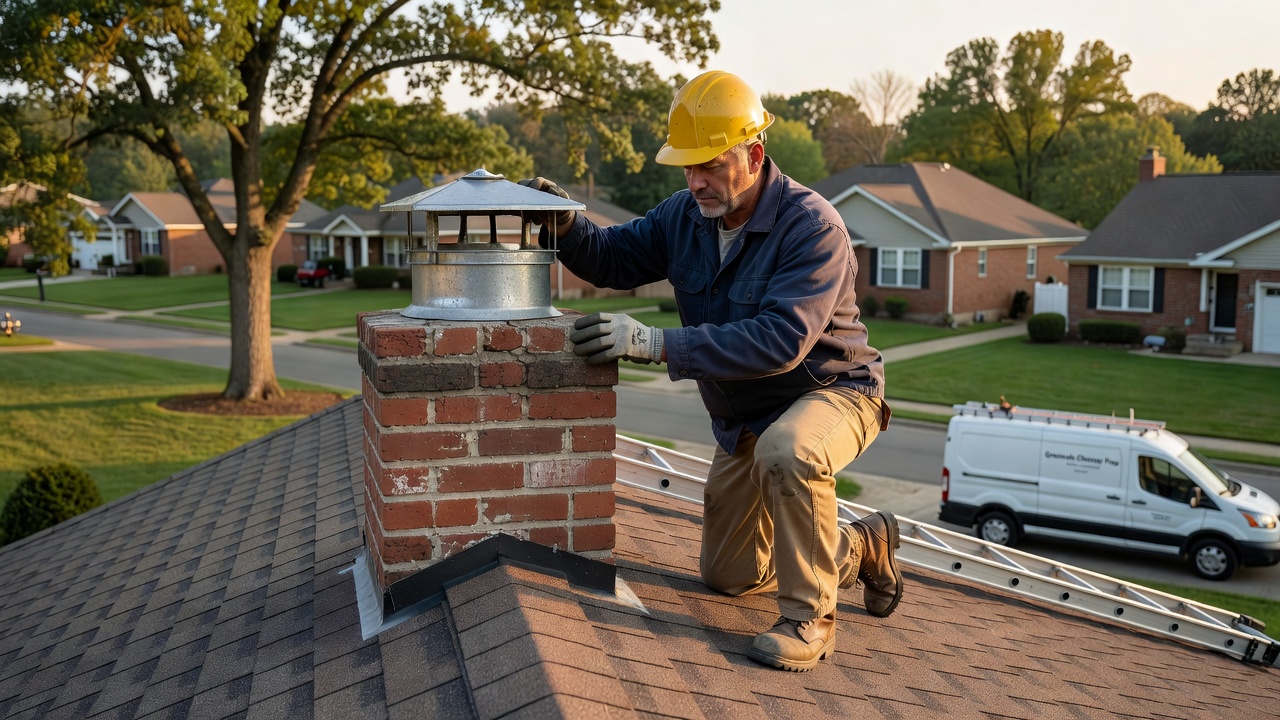
A chimney cap sits at the very top of the chimney, covering the flue opening while still allowing smoke and exhaust gases to escape.
Its job is to protect your chimney from:
- Rain and snow entering the flue
- Birds, squirrels, raccoons, and nesting debris
- Wind-driven downdrafts
- Leaves and tree debris
- Excess moisture that damages masonry
These protections are especially important on Long Island’s North Shore.
Greenvale and Brookville experience frequent coastal storms, high humidity, and mature tree coverage. Over time, those conditions can allow water to seep into an uncapped chimney, leading to cracked mortar joints, damaged flue liners, rusted dampers, and expensive masonry repairs.
Installing a quality chimney cap is often one of the simplest ways to extend the life of your entire chimney system.
Look for the Right Credentials First
Because New York doesn’t require a statewide chimney sweep license, homeowners should verify professional certifications before hiring anyone.
One of the most respected credentials in the industry is CSIA (Chimney Safety Institute of America) Certification.
A CSIA-certified technician has completed professional training covering chimney inspections, venting systems, fire safety, and maintenance standards while continuing ongoing education to maintain certification.
If your home has a fireplace insert or factory-built fireplace, NFI (National Fireplace Institute) certification is another valuable qualification to look for.
Just as important is insurance.
Always ask whether the contractor carries:
- General liability insurance
- Workers’ compensation coverage
Request a current certificate of insurance before work begins. A reputable company should provide it without hesitation.
Membership in organizations such as the National Chimney Sweep Guild is a positive sign, but professional certification should carry more weight than association membership alone.
Questions Every Homeowner Should Ask
The conversation before hiring a contractor often tells you more than the estimate itself. Here are several questions worth asking.
Are you CSIA certified?
Ask for the technician’s certification number. Professional contractors expect this question and should be comfortable providing verification.
What type of chimney cap do you recommend?
Not all chimney caps are made from the same materials. For homes in Greenvale and Brookville, stainless steel is generally the best long-term choice because it resists corrosion far better than galvanized steel, especially in coastal environments where salt air accelerates rust. A knowledgeable contractor should explain why they’re recommending one material over another.
Will you inspect the chimney before installing the cap?
Installing a new cap without checking the chimney first can hide larger problems.
A complete inspection should include:
- Chimney crown
- Top flue tiles
- Mortar joints
- Existing cap or mounting system
- Visible masonry deterioration
Sometimes a damaged crown not the cap itself is the real source of water intrusion.
What’s included in the estimate?
Request a written estimate that clearly outlines:
- Materials
- Labor
- Cap specifications
- Warranty
- Any potential additional costs
Itemized estimates make it much easier to compare contractors fairly.
Who performs the work?
Some companies sell the project but subcontract the installation. Whether company employees or subcontractors will complete the work. Knowing who will actually be on your roof provides additional peace of mind.
What warranty do you offer?
Quality contractors typically stand behind their workmanship.
Ask:
- How long is the labor warranty?
- Does the manufacturer warranty apply to the chimney cap?
- What happens if something needs adjustment after installation?
Red Flags That Should Make You Walk Away
While there are many reputable chimney professionals, there are also contractor’s homeowners should avoid.
Some warning signs include:
Pressure to make an immediate decision
A trustworthy contractor gives homeowners time to review estimates and ask questions. High-pressure sales tactics rarely benefit the customer.
Door-to-door sales after storms
Following major storms, temporary contractors sometimes travel through neighborhoods offering immediate repairs.
Always verify:
- Business address
- Insurance
- Local references
- Online reviews
Never feel pressured into signing a contract the same day.
Prices that seem too good to be true
A professionally installed stainless steel chimney cap in the Greenvale and Brookville area typically costs between $200 and $450 for a standard single-flue chimney. Larger multi-flue systems may cost more depending on size and complexity. If someone offers to install a cap for a fraction of that price, ask what’s included.
Lower prices often mean:
- Inferior materials
- Galvanized steel instead of stainless
- No chimney inspection
- Unexpected charges after work begins
No proof of insurance
Insurance documentation should never be difficult to provide. If a contractor avoids the question or promises to send it later, consider that a warning sign.
How to Compare Estimates
When reviewing multiple quotes, don’t focus only on the bottom-line price.
Compare each proposal based on:
- Material quality
- Cap style
- Stainless steel grade
- Inspection included
- Warranty coverage
- Labor scope
For example, a quote for a custom 304 stainless steel chimney cap shouldn’t be compared directly to one using galvanized steel. They’re different products with different lifespans. Also pay attention to whether chimney crown repairs are included or listed separately. Some contractors advertise a lower initial price by excluding necessary work until after the project begins.
Should You Install a Chimney Cap Yourself?
Some homeowners wonder whether chimney cap installation is a DIY project.
While replacing an existing cap on an easily accessible chimney may appear straightforward, several factors make professional installation the safer choice:
- Accurate sizing
- Secure attachment
- Proper airflow
- Inspection of surrounding masonry
- Safe roof access
A professional installation also gives you an opportunity to identify hidden issues before they become expensive repairs.
How Much Does Chimney Cap Installation Cost?
Most homeowners in Greenvale and Brookville can expect the following price ranges:
| Service | Typical Cost |
|---|---|
| Single-flue stainless steel chimney cap | $200–$450 |
| Multi-flue chimney cap | Higher depending on size |
| Chimney crown repairs | Additional depending on condition |
| Full chimney inspection | Often quoted separately or bundled |
The final cost depends on:
- Chimney size
- Roof accessibility
- Material selected
- Existing chimney condition
- Whether repairs are needed before installation
Frequently Asked Questions
How long does a stainless-steel chimney cap last?
A quality stainless steel chimney cap can last 20 years or more with proper installation and periodic inspections.
Do I really need a chimney cap?
Yes. Without one, rain, animals, leaves, and debris can enter the chimney, increasing the risk of water damage and costly repairs.
Is stainless steel worth the extra cost?
For coastal areas like Greenvale and Brookville, stainless steel typically provides the best long-term value because it resists corrosion far better than galvanized metal.
How do I know if my chimney cap needs replacing?
Common signs include:
- Visible rust
- Loose or missing sections
- Animal activity inside the chimney
- Water entering the fireplace
- Bent or damaged mesh
Should the chimney be inspected before installing a new cap?
Absolutely. Installing a new cap without checking the chimney crown, flue tiles, and surrounding masonry can leave underlying problems untreated.
Schedule a Professional Chimney Inspection
If you’re unsure whether your chimney cap needs replacement or whether your chimney has hidden damage an inspection is the best place to start.
At Ridgewood Chimney, we provide professional chimney inspections, chimney cap installation, and chimney repairs for homeowners throughout Greenvale, Brookville, Old Brookville, Locust Valley, and surrounding Nassau County communities.
Our experienced technicians carefully inspect the chimney before recommending any work, giving you a clear understanding of its condition and helping you make an informed decision.
A properly installed chimney cap is a small investment that can help prevent years of water damage and unnecessary repairs. Scheduling an inspection today can save both time and money before the next storm season arrives.