What’s Really Causing That Creosote Problem in Your Greenvale or Old Brookville Chimney
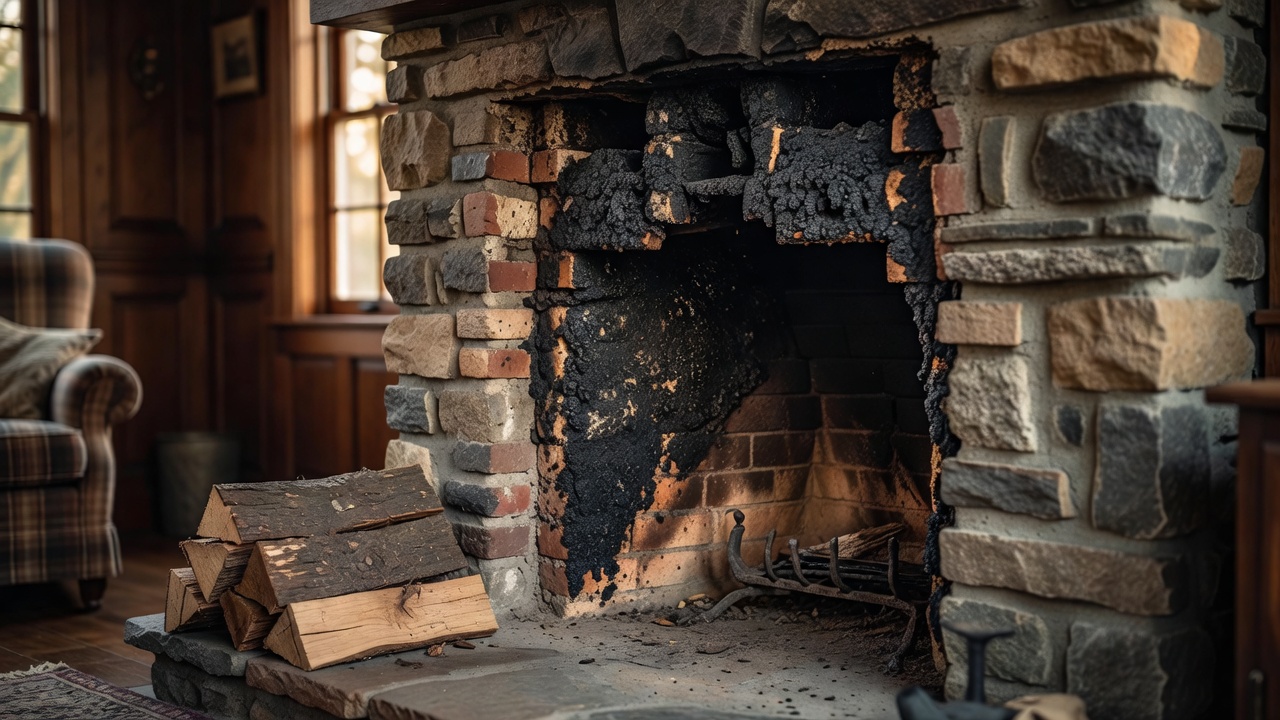
Most homeowners don’t think much about creosote until their fireplace starts acting differently. Maybe the fire doesn’t burn as well as it used to. Maybe there’s a strong smoky smell that lingers long after the flames are out. Sometimes a routine chimney inspection uncovers thick black deposits that have been quietly building for years.
The truth is that creosote doesn’t appear overnight. It develops gradually every time a fire burns, and certain habits can cause it to accumulate much faster than others.
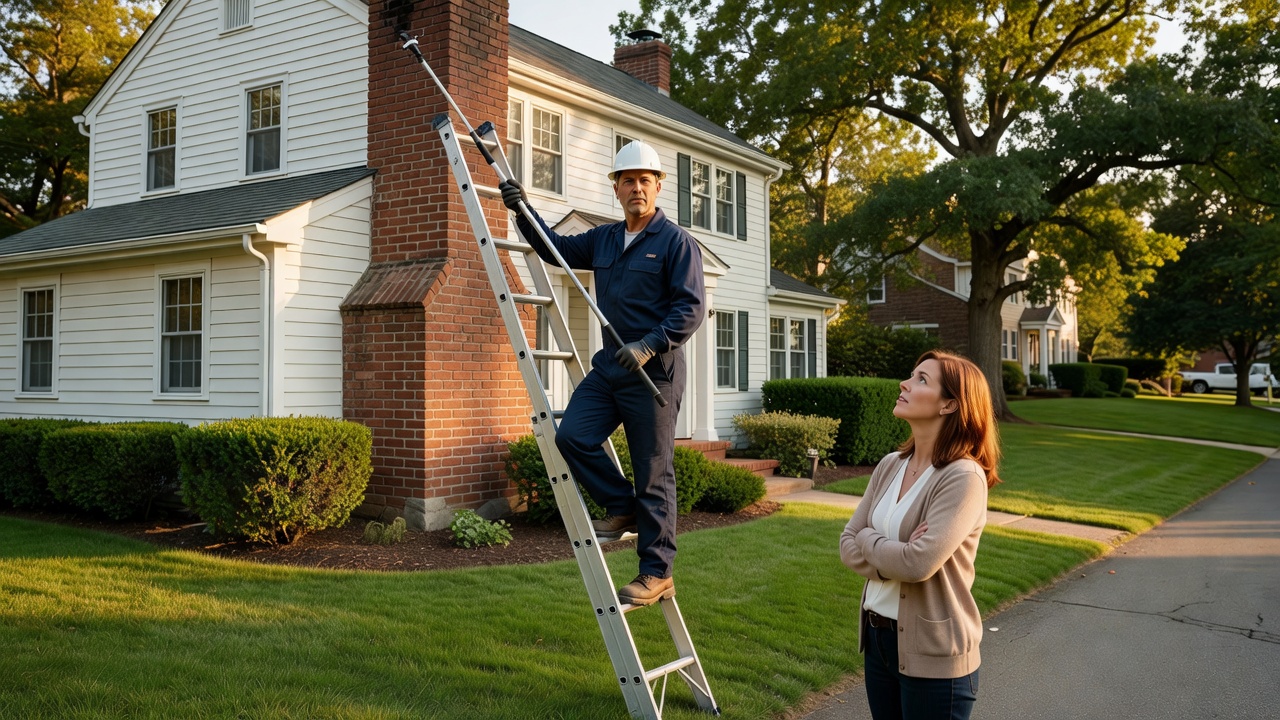
For homeowners in Greenvale, Old Brookville, and throughout Nassau County, understanding why creosote forms is one of the easiest ways to reduce the risk of chimney fires while extending the life of your chimney system.
Below are the most common creosote problems we see, what causes them, how professionals address them, and how you can prevent them in the future.
Why Creosote Is a Serious Problem
Creosote is a highly combustible residue created when wood smoke cools inside the chimney.
Instead of leaving the house as hot gases, unburned particles stick to the chimney liner and gradually build into thick deposits.
As buildup increases, it can:
- Restrict airflow
- Reduce fireplace efficiency
- Produce unpleasant odors
- Increase smoke inside the home
- Significantly raise the risk of a chimney fire
The National Fire Protection Association (NFPA 211) recommends annual chimney inspections and cleaning whenever creosote reaches unsafe levels.
1. Burning Wet or Unseasoned Firewood
Common Signs
One of the earliest indicators is heavy black residue inside the chimney along with fires that seem difficult to keep burning.
You may also notice:
- Thick smoke
- Strong campfire odors
- Sticky black deposits inside the fireplace
Why It Happens
Freshly cut wood contains a large amount of moisture. When burned before properly seasoning, much of the fire’s energy goes toward evaporating water instead of producing heat.
That cooler fire creates more smoke, and the smoke leaves behind larger amounts of creosote. Many homeowners throughout Greenvale and Old Brookville split their own firewood or purchase locally seasoned wood that hasn’t fully dried.
Ideally, firewood should contain less than 20% moisture before it’s burned.
Professional Solution
A chimney inspection determines the severity of the buildup.
Depending on the condition, technicians may recommend:
- Standard chimney sweeping
- Rotary cleaning equipment
- Chemical treatment for hardened deposits
Prevention
Allow hardwood to season for at least one year and store it off the ground with adequate airflow.
2. Poor Chimney Draft
Common Signs
You may notice:
- Smoke entering the room
- Fires that struggle to stay lit
- Slow-burning fires
- Heavy creosote despite using dry wood
Why It Happens
Some older masonry fireplaces have oversized fireboxes paired with undersized flues. When airflow is restricted, smoke moves more slowly through the chimney. As it cools, more creosote sticks to the liner. This is relatively common in older Long Island homes where fireplaces have been modified over the years.
Professional Solution
During an inspection, technicians evaluate whether the fireplace and chimney are properly matched.
Solutions may include:
- Smoke guards
- Damper adjustments
- Stainless steel liner installation
- Draft improvements
Correcting the airflow problem often reduces future creosote buildup significantly.
3. Damper Problems
Common Signs
Watch for:
- Cold drafts
- Uneven fires
- Difficulty controlling airflow
- Faster-than-normal creosote accumulation
Why It Happens
Many older homes still have their original cast-iron throat dampers. Years of heat exposure eventually cause these dampers to warp, rust, or stop opening completely. Restricted airflow creates cooler combustion temperatures that encourage creosote formation.
Professional Solution
Technicians inspect the damper and smoke shelf during a chimney inspection. If necessary, they may recommend replacing the existing damper with a modern top-sealing damper that improves airflow while reducing heat loss.
Prevention
Before fireplace season begins, verify that the damper opens and closes smoothly.
4. Letting Fires Smolder
Common Signs
Smoldering fires often produce:
- Thick gray smoke
- Heavy odors
- Sticky black chimney deposits
- Poor draft
Why It Happens
Many homeowners believe slow-burning fires are more efficient. In reality, cooler fires generate far more creosote because smoke spends longer inside the chimney before exiting. Hotter fires generally burn cleaner.
Professional Solution
If significant Stage Two creosote has developed, technicians often combine chemical treatment with mechanical cleaning. Heavy buildup may require multiple appointments.
Prevention
Burn smaller, hotter fires using properly seasoned hardwood. Avoid restricting airflow simply to make logs last longer.
5. Skipping Annual Chimney Inspections
Common Signs
Many homeowners don’t notice any symptoms until the buildup becomes severe.
Eventually they may experience:
- Strong smoke odors
- Reduced draft
- Chimney fires
- Expensive repairs
Why It Happens
Creosote builds gradually.
Without yearly inspections, each season’s deposits remain inside the chimney, eventually hardening into thick glazed layers that become much harder to remove.
Professional Solution
A complete chimney inspection evaluates:
- Firebox
- Damper
- Smoke chamber
- Chimney liner
- Chimney cap
- Crown
- Exterior masonry
From there, technicians determine the safest cleaning method.
Prevention
Schedule chimney inspections every year before heating season begins.
6. Assuming Everything Looks Fine
Common Signs
Many homeowners report that their chimney “looked clean” during a quick flashlight inspection.
Professional camera inspections often reveal:
- Hidden creosote
- Liner cracks
- Obstructions
- Water damage
Why It Happens
The majority of the chimney isn’t visible from the fireplace opening.
Creosote frequently accumulates:
- Near offsets
- Around liner joints
- Near the chimney top
These areas cannot be properly evaluated without specialized inspection equipment.
Professional Solution
A Level 2 camera inspection allows technicians to inspect the full length of the chimney liner.
This is especially valuable when:
- Buying a home
- After a chimney fire
- Following storm damage
- If the chimney hasn’t been inspected in years
How to Reduce Creosote Buildup
A few simple habits can dramatically reduce chimney maintenance over time.
Best practices include:
- Burn only seasoned hardwood.
- Avoid smoldering fires.
- Keep the damper fully open while burning.
- Schedule annual chimney inspections.
- Remove creosote before heavy buildup develops.
- Install a chimney cap to reduce moisture intrusion.
Routine maintenance is far less expensive than repairing damage caused by chimney fires or excessive creosote.
Frequently Asked Questions
What is creosote?
Creosote is a combustible residue produced when wood smoke cools and condenses inside the chimney.
How dangerous is creosote?
Heavy creosote buildup is one of the leading causes of chimney fires because it ignites easily under high temperatures.
How often should creosote be removed?
The chimney should be inspected annually, and creosote should be removed whenever it reaches unsafe levels.
Can I remove creosote myself?
Light soot may be manageable for experienced homeowners, but significant creosote buildup should be removed using professional equipment to ensure the chimney is cleaned safely and thoroughly.
What kind of wood produces the least creosote?
Properly seasoned hardwoods such as oak, maple, and ash generally burn hotter and cleaner than freshly cut or soft woods.
Schedule Your Chimney Inspection Before the Next Heating Season
Creosote problems usually begin long before homeowners notice them. Catching buildup early can reduce cleaning costs, improve fireplace performance, and help prevent costly chimney repairs.
If you live in Greenvale, Old Brookville, or anywhere in Nassau County, Ridgewood Chimney provides professional chimney inspections, chimney sweeping, creosote removal, masonry repair, chimney cap installation, waterproofing, and complete chimney restoration services.
Contact us today to schedule your free chimney inspection and let our experienced technicians evaluate your chimney before the next fire-burning season begins.