Chimney Liner Repair in Greenvale, NY: How to Get It Done Right Without Costly Mistakes
Most homeowners in Greenvale don’t think about their chimney liner until something goes wrong. It may start with smoke entering the living room, a cracked flue tile discovered during an inspection, or even a carbon monoxide concern that demands immediate attention. Unfortunately, waiting until problems become obvious often turns a relatively affordable repair into a much more expensive chimney relining project.
Understanding how chimney liner repairs work and knowing what steps to take before hiring a contractor can save you thousands of dollars while helping keep your fireplace operating safely. This guide explains the repair process, common mistakes to avoid, and how to choose the right chimney professional in Greenvale, New York.
Why Your Chimney Liner Is So Important
A chimney liner is the protective passage inside your chimney that safely directs smoke, heat, and combustion gases outside your home. Chimney liners are typically constructed from:
- Clay tile
- Stainless steel
- Cast-in-place masonry systems
A properly functioning liner serves several important purposes:
- Protects chimney masonry from excessive heat.
- Safely vents smoke and combustion gases.
- Reduces the risk of carbon monoxide entering your home.
- Improves fireplace efficiency.
- Helps prevent chimney fires.
According to NFPA 211, all operational fireplaces and venting systems should have a properly functioning chimney liner.
Many homes throughout Greenvale and Nassau County were built with clay tile liners decades ago. While durable, these liners naturally deteriorate over time due to age, moisture intrusion, and Long Island’s repeated freeze-thaw cycles.
If your home was built before 1980 and your chimney has not been professionally inspected within the past few years, scheduling an inspection is a wise investment.
Step 1: Schedule a Level 2 Chimney Inspection
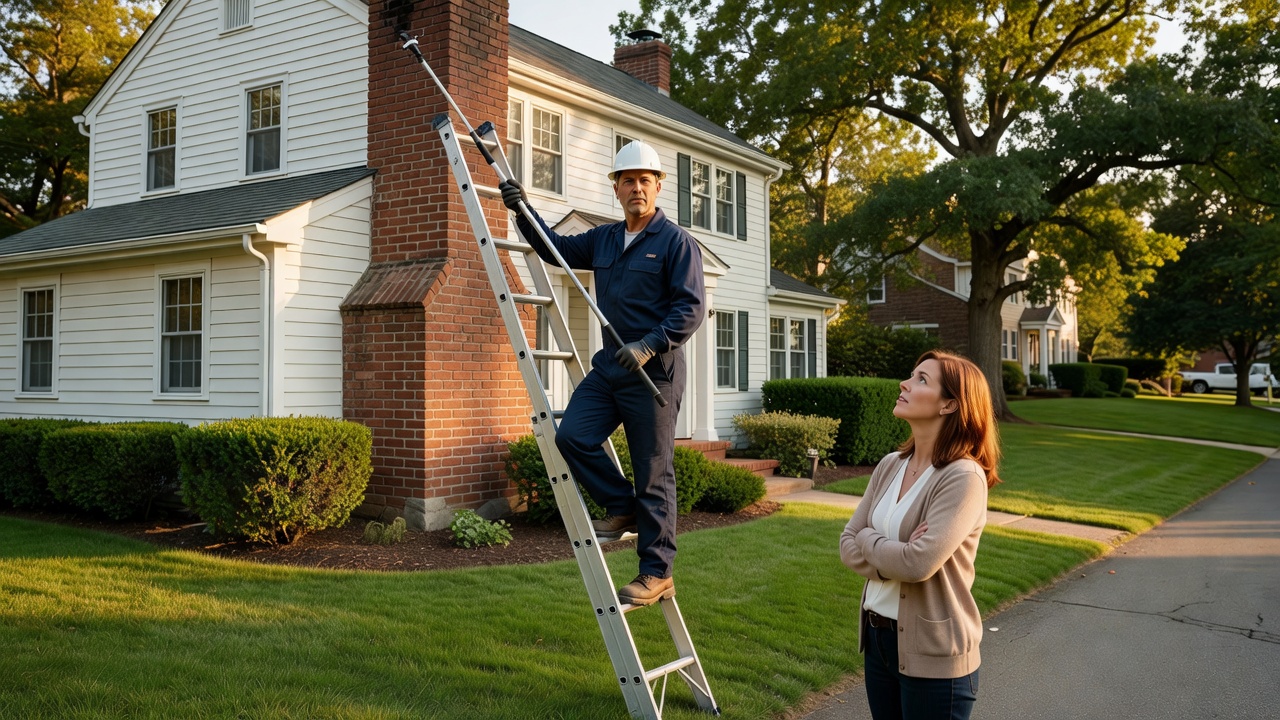
Before discussing repairs, have your chimney professionally inspected.
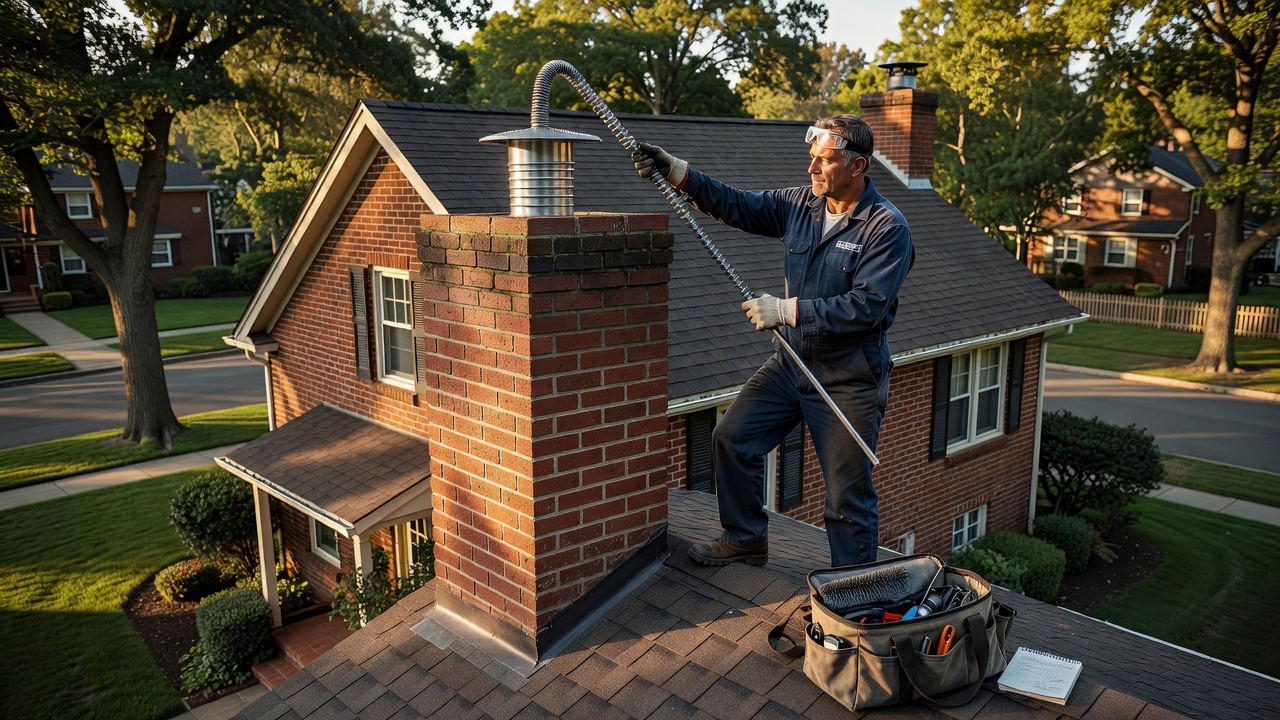
A Level 2 chimney inspection uses specialized camera equipment to examine the entire chimney liner from top to bottom. This inspection identifies:
- Cracked flue tiles
- Missing mortar joints
- Creosote buildup
- Water damage
- Structural deterioration
- Obstructions inside the flue
In the Greenvale area, homeowners typically pay between $150 and $250 for a Level 2 inspection.
Avoid contractors who recommend repairs before performing a thorough camera inspection. Without seeing the entire chimney liner, it’s impossible to accurately determine the extent of the damage.
Step 2: Clean the Chimney Before the Inspection
One of the most common mistakes homeowners make is scheduling a camera inspection before the chimney has been cleaned.
Heavy creosote deposits and debris can conceal damaged flue tiles, cracked mortar joints, and other structural issues.
Professional chimney cleaning generally costs between $180 and $280 for a standard single-flue fireplace in Greenvale.
Cleaning first allows the inspection camera to capture a clear view of the chimney liner, resulting in a more accurate diagnosis.
Step 3: Choose the Right Repair Method
Once the inspection is complete, the repair method should match the actual condition of your chimney.
Minor Liner Damage
If only a few sections of the clay liner contain small cracks or deteriorated joints, resurfacing products such as HeatShield® may restore the liner without requiring complete replacement.
Typical cost: $800–$1,500
Extensive Liner Damage
If multiple tiles are cracked, sections are missing, or significant deterioration extends throughout the chimney, installing a new stainless-steel liner is often the safest long-term solution.
Typical cost: $1,800–$3,500
Cast-in-Place Liners
Older masonry chimneys with unusual dimensions may benefit from cast-in-place liner systems.
Typical cost: $3,000–$5,000
Always ask your contractor to explain exactly why the recommended repair is necessary. Reputable chimney professionals should be able to show inspection photos supporting their recommendations.
Step 4: Verify Proper Chimney Liner Sizing
Installing the correct liner size is just as important as selecting the right repair method.
An improperly sized liner can lead to:
- Poor draft
- Smoke backing into the home
- Increased creosote buildup
- Reduced fireplace efficiency
- Carbon monoxide concerns
Professional installers determine liner size based on:
- Fireplace opening dimensions
- Chimney height
- Appliance type
- Manufacturer specifications
If a contractor recommends a new liner without discussing these measurements, consider seeking a second opinion.
Step 5: Verify Contractor Credentials
Before signing any agreement, confirm the contractor has the proper qualifications.
Look for:
- CSIA-certified chimney sweeps
- General liability insurance
- Workers’ compensation coverage
- Experience with chimney liner repairs
- Positive local customer reviews
You should also ask for the technician’s CSIA certification number and verify it through the Chimney Safety Institute of America.
Step 6: Request Complete Documentation
After the repair is finished, request written documentation that includes:
- Repair details
- Materials used
- Chimney liner specifications
- Liner diameter and length
- Warranty information
- Inspection findings
- Maintenance recommendations
This documentation protects your warranty, assists with homeowner’s insurance records, and provides valuable information if you sell your home in the future.
Step 7: Schedule Annual Maintenance
Repairing a chimney liner is only the beginning.
Routine chimney maintenance helps protect your investment and prevents future damage.
Most homeowners should schedule:
- Annual chimney inspections
- Annual chimney cleanings
- Periodic camera inspections when recommended
Late summer or early fall is generally the best time to schedule chimney maintenance before fireplace season begins.
What If Smoke Still Enters the Room?
If smoke continues entering your home after chimney liner repairs, the problem may not be the liner itself.
Other possible causes include:
- A damaged chimney cap
- Poor chimney draft
- Restricted airflow
- Negative air pressure inside tightly sealed homes
Sometimes opening a nearby window slightly while using the fireplace improves airflow enough to resolve the issue. If the problem continues, contact your chimney professional for a draft evaluation.
Why Preventive Maintenance Saves Money
Routine chimney inspections can identify small problems before they require major repairs.
Preventive maintenance helps:
- Reduce chimney fire risks.
- Detect carbon monoxide hazards.
- Extend chimney lifespan.
- Improve fireplace performance.
- Prevent expensive emergency repairs.
- Protect your home’s structural integrity.
A small repair today is almost always less expensive than a complete chimney liner replacement later.
Frequently Asked Questions
1. How do I know if my chimney liner needs repair?
Common warning signs include smoke entering your home, cracked flue tiles, deteriorating mortar joints, unusual fireplace odors, poor draft, and inspection reports showing liner damage.
2. What is a Level 2 chimney inspection?
A Level 2 inspection includes a specialized camera evaluation of the entire chimney liner and is recommended when damage is suspected, after a chimney fire, during property sales, or before major repairs.
3. Can a cracked chimney liner be repaired instead of replaced?
Yes. Minor cracks can sometimes be repaired using resurfacing systems when the overall liner remains structurally sound. Extensive damage usually requires complete relining.
4. How long does a stainless-steel chimney liner last?
A professionally installed stainless steel chimney liner can often last 15 to 25 years or longer, depending on the quality of the materials, installation, fuel type, and ongoing maintenance.
5. How often should my chimney liner be inspected?
The NFPA recommends annual chimney inspections for all active fireplace systems. Regular inspections help identify minor issues before they become costly repairs or safety hazards.
Schedule Your Chimney Liner Inspection Today
If your chimney liner has not been inspected recently, or you’ve noticed smoke problems, unusual odors, cracked flue tiles, or declining fireplace performance, don’t wait for the problem to become more expensive.
Ridgewood Chimney proudly serves homeowners throughout Greenvale and surrounding Nassau County communities with professional chimney inspections, chimney liner repairs, chimney cleanings, and comprehensive camera evaluations. Our CSIA-certified chimney professionals provide honest recommendations, detailed written reports, and high-quality workmanship without unnecessary upselling. Contact us today to schedule your free chimney inspection consultation and protect your fireplace for years to come.