Your Chimney Is Telling You It Needs Repair — Are You Listening?
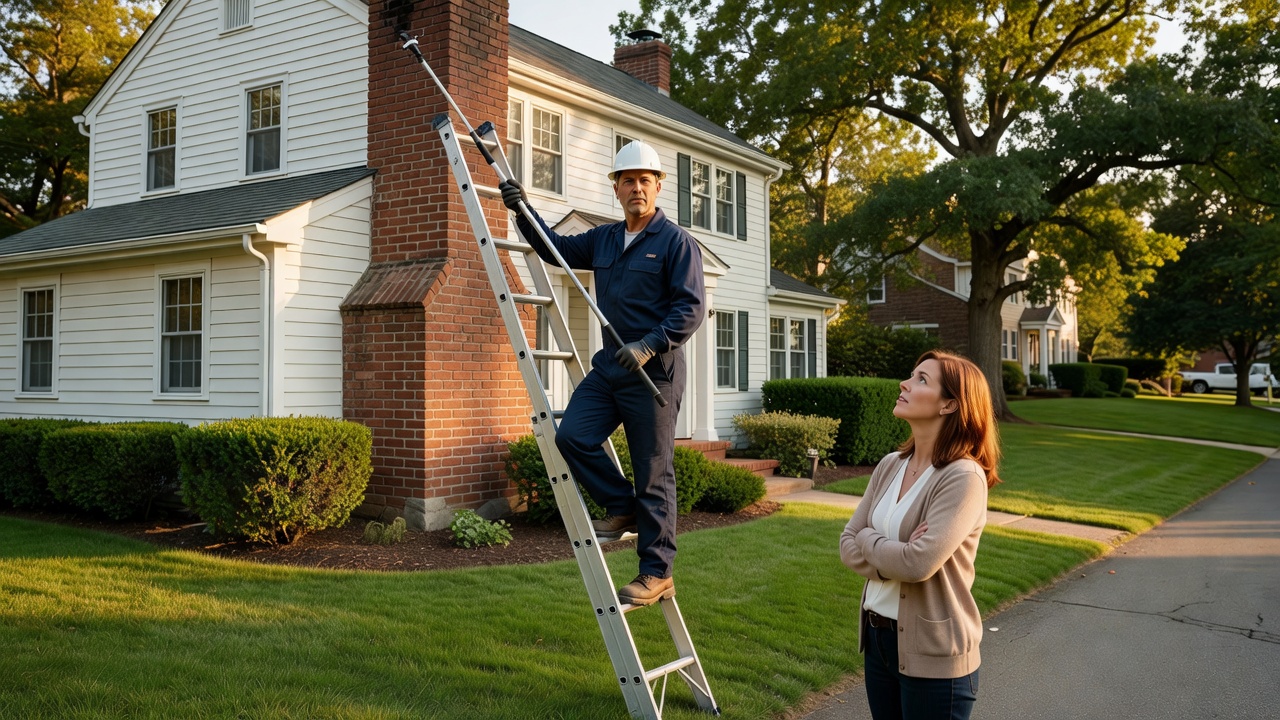
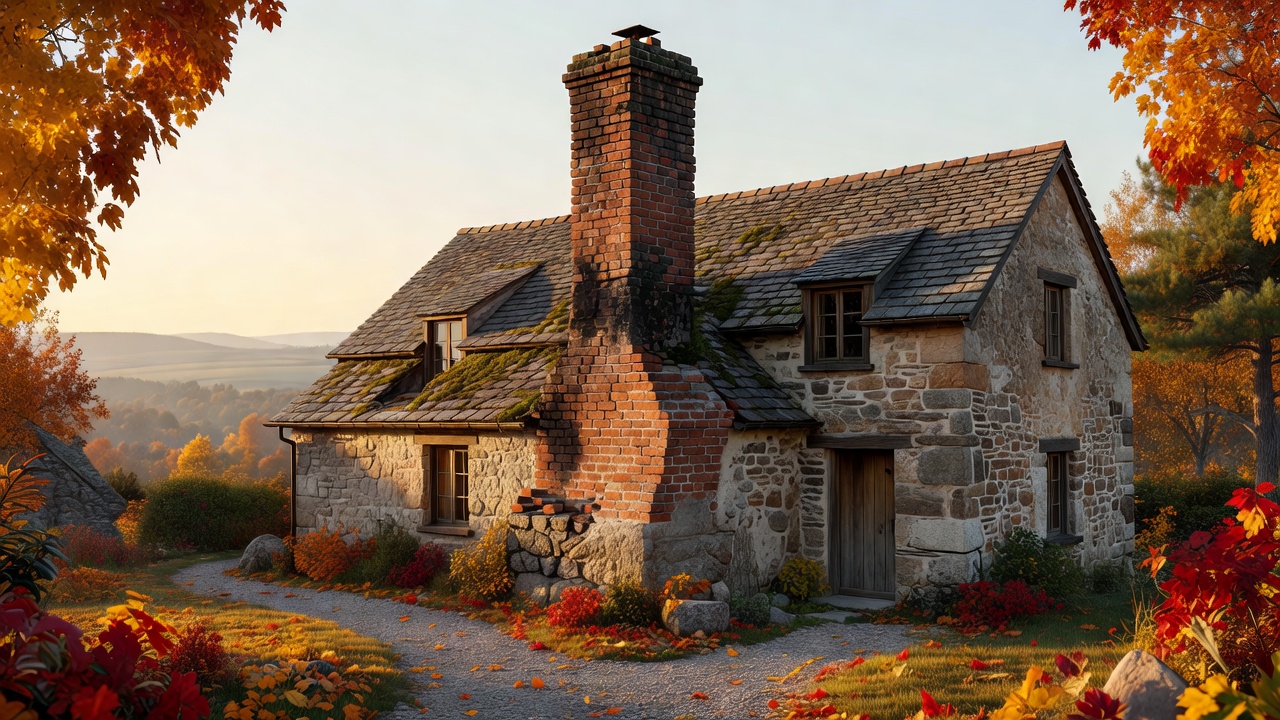
Most chimney problems don’t begin with a dramatic collapse or obvious structural failure. Instead, they develop slowly over time. A slight smoky odor, deteriorating mortar, water stains, or a fireplace that no longer drafts properly are often the first warning signs that something needs attention.
For homeowners in Greenvale and throughout Nassau County, harsh winters, coastal moisture, and repeated freeze-thaw cycles place constant stress on chimney masonry. Small issues can quickly become expensive repairs if they are ignored for even one or two seasons.
Knowing what warning signs to look for can help you address problems early, protect your home, and avoid more extensive chimney repairs.
Why Prompt Chimney Repairs Matter
Your chimney is more than a decorative feature—it is a vital part of your home’s ventilation system.
When chimney components begin to deteriorate, several serious problems can develop, including:
- Increased risk of chimney fires.
- Water intrusion.
- Carbon monoxide leaks.
- Masonry deterioration.
- Poor fireplace performance.
- Expensive structural damage.
Many older homes throughout Greenvale still contain original clay tile chimney liners that have experienced decades of heating and cooling cycles. As these liners age, cracks may develop, reducing the chimney’s ability to safely vent smoke and combustion gases.
Routine inspections and timely repairs help prevent these issues from becoming major safety hazards.
Common Signs Your Chimney Needs Repair
White Stains on the Outside of the Chimney
White powdery stains, known as efflorescence, indicate that moisture is moving through the masonry.
Although the stains themselves are harmless, they signal active water penetration that can eventually weaken mortar joints, damage bricks, and accelerate freeze-thaw deterioration.
Crumbling or Missing Mortar
Inspect the mortar joints between the bricks whenever it is safe to do so.
Warning signs include:
- Crumbling mortar
- Missing joints
- Loose bricks
- Powdery mortar
These issues often indicate the need for professional tuckpointing before additional moisture causes structural damage.
Pieces of Clay Tile Inside the Fireplace
If you notice orange or tan fragments inside the firebox, pieces of the chimney liner may have broken away.
Damaged flue liners reduce the chimney’s ability to safely contain heat and combustion gases, making professional inspection essential before using the fireplace again.
Persistent Smoky Odors
A lingering smoke smell when the fireplace is not in use may indicate:
- Creosote buildup
- Draft problems
- Damper failure
- Smoke chamber deterioration
- Moisture damage
Persistent odors should never be ignored, especially if they become stronger after rain or during cold weather.
Cracks Inside the Firebox
Small cosmetic surface cracks can sometimes be monitored.
However, larger cracks, widening mortar joints, or damage extending through multiple bricks should be professionally evaluated.
Firebox damage can expose surrounding materials to excessive heat and may require repair before further fireplace use.
A Damper That Doesn’t Operate Properly
Your chimney damper helps regulate airflow while preventing heat loss when the fireplace is not in use.
If the damper:
- Won’t close completely
- Is difficult to operate
- Shows excessive rust
- Appears bent or damaged
it should be inspected and repaired before the heating season.
Spalling Bricks
Spalling occurs when moisture trapped inside masonry freezes and expands, causing the outer face of the brick to break away.
Over time, spalling weakens the chimney structure and increases the likelihood of additional masonry damage.
Prompt repairs help prevent widespread deterioration.
Missing or Damaged Chimney Caps
A properly installed chimney cap protects your chimney from:
- Rain
- Snow
- Animals
- Leaves
- Debris
Missing or damaged chimney caps allow moisture and debris to enter the chimney, increasing the likelihood of expensive repairs later.
Which Problems Can Wait and Which Cannot?
Some chimney issues can be monitored until your next annual inspection.
These may include:
- Small cosmetic hairline cracks
- Minor surface rust
- Light mortar dust
- Normal wear from seasonal use
However, several conditions require immediate professional attention, including:
- Broken flue liners
- Large firebox cracks
- Active water leaks
- Missing chimney caps
- Heavy masonry deterioration
- Significant spalling
- Draft problems that allow smoke into the home
Delaying repairs may increase both repair costs and potential safety risks.
What Does Chimney Repair Cost?
Repair costs vary depending on the type and extent of damage.
Typical services may include:
- Tuckpointing
- Chimney crown repair
- Chimney cap replacement
- Flue liner repair or relining
- Firebox repairs
- Masonry restoration
Addressing minor problems early is generally far more affordable than waiting until major structural repairs or complete chimney rebuilding become necessary.
Protect Your Chimney Before Winter Arrives
Scheduling an inspection before fireplace season gives homeowners the opportunity to identify and repair developing problems before cold weather accelerates deterioration.
Routine maintenance helps extend the lifespan of your chimney while improving fireplace performance and reducing future repair costs.
Frequently Asked Questions
1. What are the first signs my chimney needs repair?
Common warning signs include crumbling mortar, white staining (efflorescence), smoky odors, damaged chimney caps, cracked fireboxes, loose bricks, and pieces of clay tile inside the fireplace.
2. Can I still use my fireplace if my chimney has cracks?
Minor cosmetic cracks may not require immediate repair, but larger cracks, damaged flue liners, or structural deterioration should be professionally evaluated before using the fireplace.
3. What causes bricks to crack or fall apart?
Repeated moisture exposure, freeze-thaw cycles, aging mortar, and water penetration are among the most common causes of masonry deterioration.
4. How often should my chimney be inspected?
Most homeowners should schedule a professional chimney inspection once each year, even if the fireplace is used only occasionally.
5. Why is chimney waterproofing important?
Waterproofing helps reduce moisture penetration into masonry, protecting bricks and mortar from freeze-thaw damage while extending the lifespan of your chimney.
Schedule Your Free Chimney Inspection Today
If you’ve noticed crumbling mortar, water stains, smoky odors, damaged bricks, or any of the warning signs discussed above, don’t wait for the damage to become more extensive.
Ridgewood Chimney proudly serves homeowners throughout Greenvale, Roslyn, Old Brookville, Glen Head, East Hills, Manhasset, and communities across Nassau County. Our experienced chimney professionals provide comprehensive chimney inspections, masonry repairs, tuckpointing, chimney waterproofing, crown restoration, flue liner repair, chimney cap installation, flashing repair, fireplace maintenance, and complete chimney safety evaluations. Every inspection includes honest recommendations and clear documentation so you can make informed decisions about protecting your home. Contact Ridgewood Chimney today to schedule your free chimney inspection before fireplace season begins.