Your Chimney Damper Is Telling You Something: Are You Listening?
Most Muttontown homeowners don’t think about their chimney damper until something goes wrong. By then, a small mechanical problem may have turned into a draft issue, higher energy bills, or a more expensive repair. The damper controls the opening between your living space and the chimney, so its condition affects both fireplace performance and safety. In Muttontown and Greenvale, many older homes have throat or top mount dampers that have been in service for decades. Corrosion, heat exposure, moisture, and normal wear can gradually affect these components. Here are the warning signs to watch for and when you should call a professional.
Warning Signs You Can See, Hear, or Smell
Smoke backing into the room when you light a fire.
This is one of the most serious warning signs. If smoke enters your living space instead of moving up the flue, the damper may be partially closed, warped, or blocked. Stop using the fireplace and have the system inspected.
The damper handle won’t move or moves without resistance.
A seized handle can indicate that the damper is stuck. A handle that moves freely without engaging the plate may indicate that the connecting mechanism has separated. Either condition means you cannot reliably control the damper.
A strong cold draft coming down the chimney.
If cold air consistently enters the firebox when the fireplace is not being used, the damper may not be sealing properly. This is worth having inspected before the next heating season.
Visible rust or flaking metal inside the firebox.
Use a flashlight to look toward the damper area. Orange-brown rust, flaking metal, or visible corrosion can indicate moisture exposure or deterioration. Schedule a professional inspection rather than assuming the issue is only cosmetic.
A musty, smoky, or animal smell when the fireplace is closed.
A properly functioning damper helps limit outside air, moisture, and debris from entering the fireplace. Persistent odors may indicate that the damper is not sealing correctly. If you suspect animals are entering the chimney, have the system inspected promptly.
Wind noise or whistling from the fireplace.
A whistle or low howling sound can indicate air moving through gaps around the damper. While it may not be an immediate emergency, it is worth addressing before the next heating season.
Excessive ash or debris falling into the firebox.
Leaves, soot, and other debris can enter through a damaged top mount damper or chimney cap. Muttontown’s mature trees can contribute to seasonal debris accumulation. Have the chimney inspected if you are finding unusual amounts of material inside the firebox.
A visibly warped damper plate.
If the damper plate is bowed, twisted, or no longer sits flat, it cannot seal correctly. Heat exposure can cause this type of damage. A warped plate should be professionally evaluated, along with the rest of the flue system.
What You Can Handle Yourself and What You Can’t
There are a few basic checks homeowners can safely perform. You can check whether the damper handle moves smoothly before lighting a fire, keep excess ash out of the firebox, and look for obvious debris with a flashlight.
More involved repairs should be left to a qualified chimney professional.
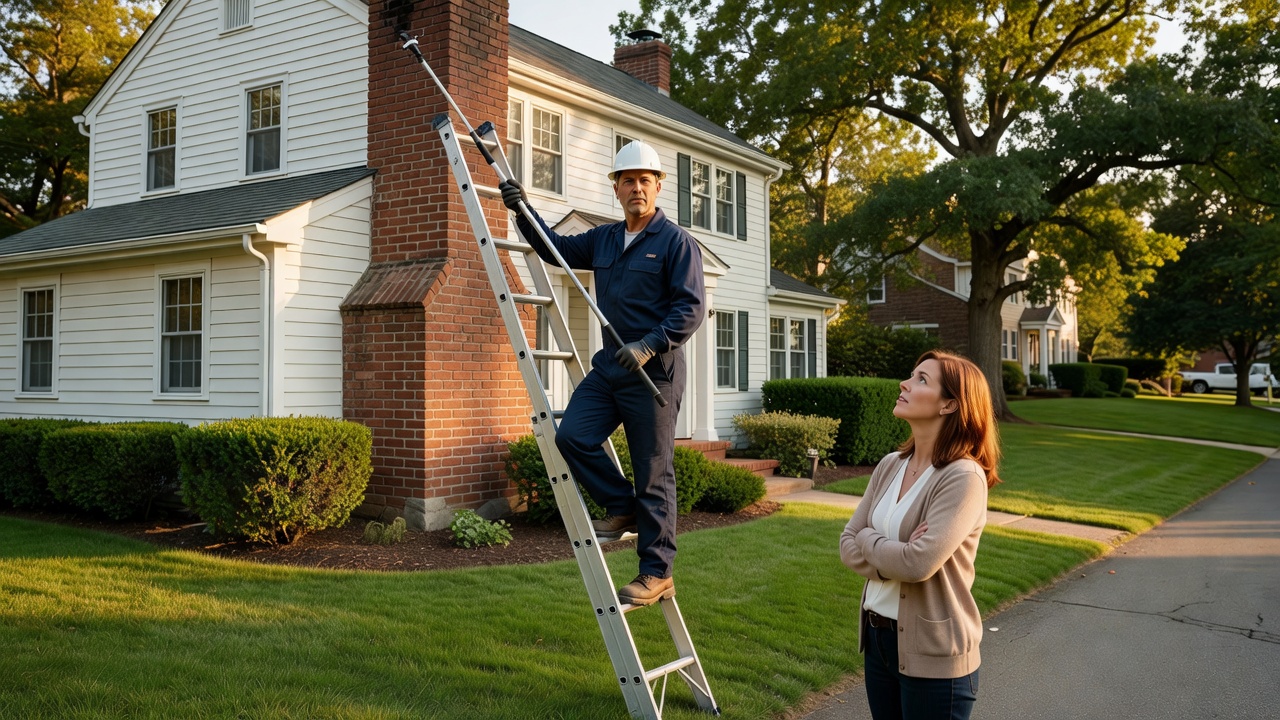
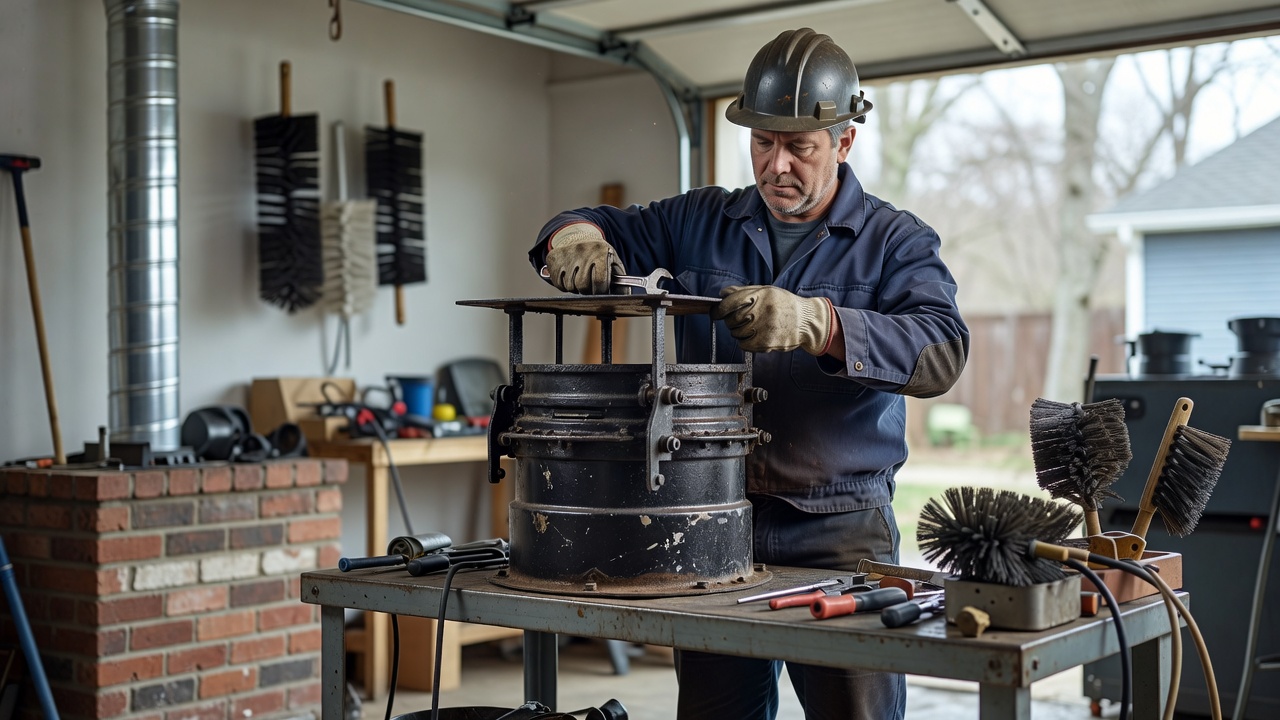
Replacing a throat damper can involve removing the existing frame from the masonry opening and working around the surrounding firebox and smoke chamber. A top mount damper replacement also requires roof access, which can be particularly hazardous on steep rooflines.
A damper repair should also involve an assessment of the surrounding chimney components. The source material notes that NFPA 211 calls for a Level 1 inspection when fireplace components are serviced. That assessment can help identify related issues involving the flue, smoke chamber, or masonry.
A technician who replaces the damper without evaluating the surrounding system may not be providing a complete service.
What Damper Repair Costs in This Area
In the Nassau County area, a basic throat damper replacement typically runs $200 to $450, depending on firebox size and accessibility.
Top mount damper systems generally cost $300 to $600 installed. These systems can also serve as chimney caps, providing an additional barrier against weather and debris.
If the inspection reveals damaged masonry around the damper frame, such as spalled brick, deteriorated mortar, or a damaged smoke shelf, those repairs will add to the total.
Always request a written estimate before work begins so you know what is included and what additional repairs may be necessary.
Schedule an Inspection Before the Problem Gets Worse
If you are seeing multiple warning signs in your Greenvale or Muttontown home, don’t wait until the next fire exposes the problem. A professional inspection can determine whether the issue is a simple damper repair or part of a larger chimney problem.
Ridgewood Chimney serves homeowners throughout Nassau County with chimney inspections and repair assessments. Contact us to schedule a free inspection and find out what your damper actually needs before the heating season.
Related from Greenvale Chimney: Chimney Repair in Greenvale, NY · Chimney Repair in Greenvale, NY