Creosote Removal Greenvale NY: When to Schedule Chimney Cleaning
Creosote can accumulate inside a wood-burning chimney when combustion products condense on cooler flue surfaces. The amount that develops depends on factors such as how often the appliance is used, the type of installation, the fuel being burned, and burning practices. For Greenvale homeowners, the safest approach is not to rely on a particular month for cleaning. Instead, schedule regular inspections and have the chimney cleaned when deposits or other conditions indicate that cleaning is necessary.
What Creosote Does Inside a Chimney
Creosote is a combustible residue that can form when wood smoke cools and condenses inside a chimney or flue. EPA guidance notes that incomplete combustion, restricted airflow, unseasoned wood, and cooler chimney conditions can contribute to creosote formation. Burning dry, seasoned wood and maintaining an appropriate fire can reduce smoke and creosote production.
Creosote does not always have the same consistency. Ordinary soot and deposits may be relatively easy to remove, while hard or tacky deposits can require more specialized cleaning methods. CSIA explains that some hard or glazed deposits may require chemical products used together with mechanical cleaning. Chemical products alone are not considered a substitute for mechanical sweeping.
That is one reason a professional evaluation matter. The amount and type of deposit help determine what cleaning method is appropriate.
How Often Should Creosote Be Removed?
There is no universal schedule that says every chimney must be cleaned in a particular month or exactly once every year.
CSIA recommends annual chimney inspections. Its homeowner guidance explains that cleaning frequency depends on the amount of use, type of installation, fuel, and burning habits. Masonry fireplaces should be swept when soot buildup reaches about 1/8 inch, or sooner if glaze is present.
This distinction is important. Annual inspection does not automatically mean annual cleaning. An inspection evaluates the condition of the system and helps determine whether cleaning, maintenance, or repairs are needed.
Homeowners who burn wood frequently, use an appliance inefficiently, burn unseasoned wood, or allow fires to smolder may develop deposits more quickly. EPA recommends dry, seasoned wood with moisture content around 20 percent or less and advises against allowing wood fires to smolder.
Is Summer the Best Time to Schedule?
Summer can be a convenient time to arrange chimney maintenance because many homeowners are using their fireplaces less often. It can also provide time to address maintenance issues before the next period of regular use.
However, there is no authoritative rule establishing June, July, or August as the universally best months for creosote removal in Greenvale. A homeowner who discovers significant buildup or another chimney problem should not wait for summer simply because it is considered the preferred season.
The more useful rule is simple: have the chimney inspected at least annually and clean it when the condition of the system requires it.
Scheduling ahead can also make practical sense. If a chimney needs repairs in addition to cleaning, completing the work before the next planned period of use may give the homeowner more time to address the problem.
Common Timing Mistakes
One common mistake is waiting until the first cold evening to think about chimney maintenance. If a fireplace has not been inspected since the previous heating season, arranging an inspection before regular use can help identify deposits, blockages, or other conditions that need attention.
Another mistake is assuming that light use means a chimney cannot develop problems. CSIA notes that annual inspections are recommended even when a chimney is not used frequently because animals can build nests and deterioration can occur.
A third mistake is continuing to burn when something unusual occurs. If smoke enters the home, EPA recommends stopping and having the appliance and chimney evaluated by a qualified professional. Persistent smoke can indicate problems involving the fuel, airflow, appliance, or chimney.
Homeowners should also avoid assuming that every unusual event automatically requires the same inspection level. A Level 2 inspection has a broader scope than Level 1 and is recommended under specific circumstances, including certain appliance or fuel changes, property sales, planned relining, and events that may have damaged the chimney.
What Happens During Creosote Removal?
The cleaning method depends on the chimney and the deposits present.
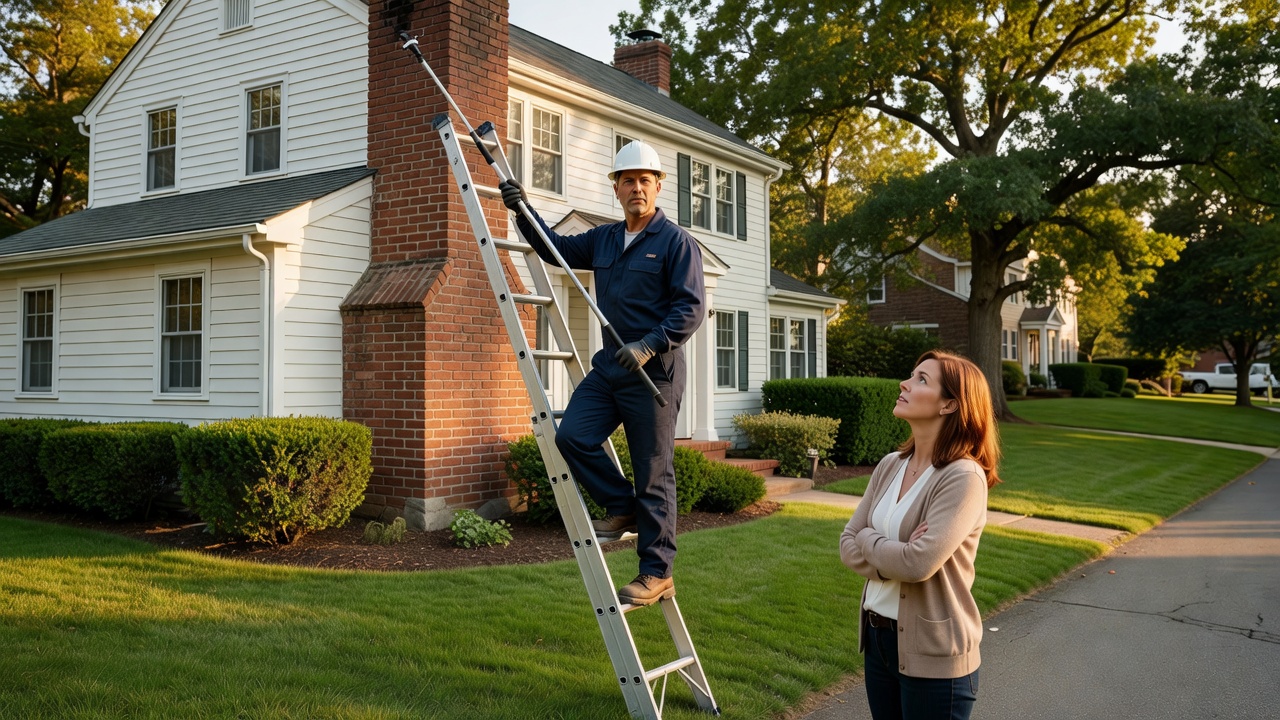
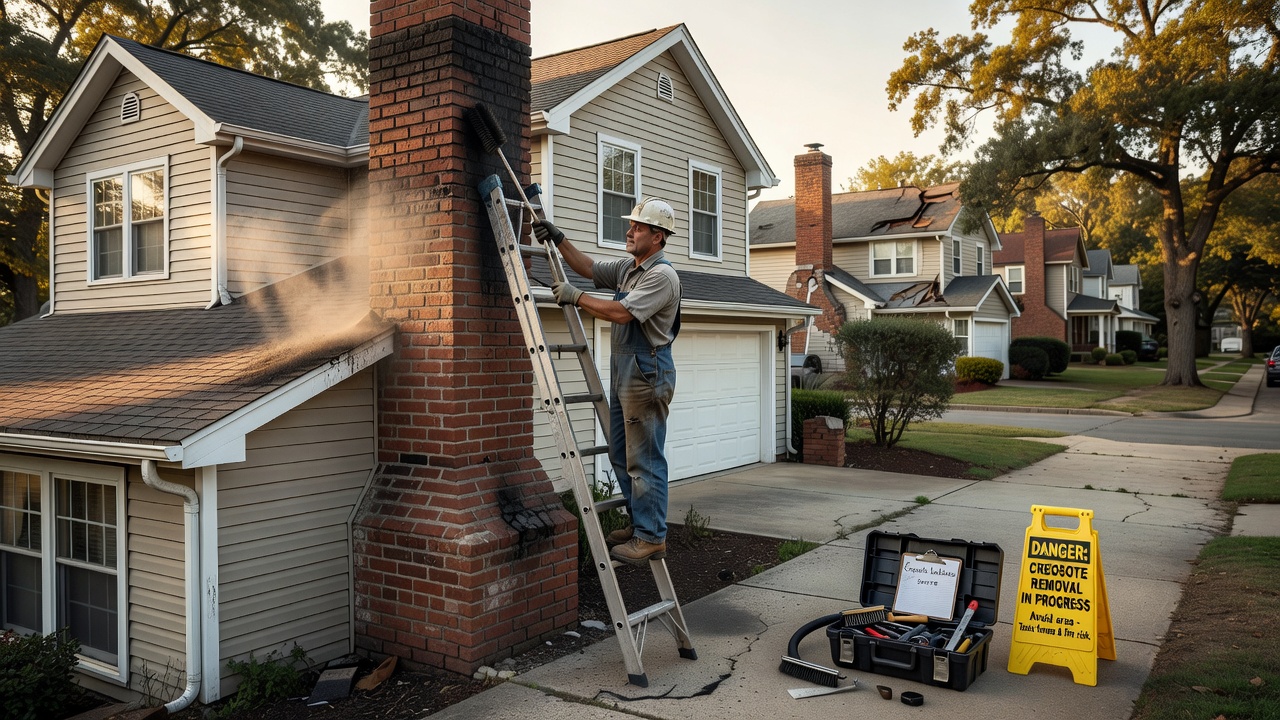
Standard cleaning generally uses brushes to remove soot and ordinary deposits, with a properly filtered vacuum used to control debris. CSIA explains that harder creosote or glaze may require specialized mechanical equipment. Chemical products may sometimes be used to alter hard or tacky deposits before mechanical removal, but they do not replace the physical removal of the material.
A professional should also evaluate the accessible portions of the chimney and connected appliance. If the circumstances call for a more extensive inspection, additional access and an interior video examination may be appropriate as part of a Level 2 inspection.
The homeowner should receive an explanation of any significant findings before approving separate repair work.
What About the Cost?
There is no reliable single price for creosote removal in Greenvale or Nassau County. The cost can vary depending on the chimney configuration, amount and type of buildup, access, appliance type, inspection scope, and cleaning method required.
For that reason, fixed online price ranges can be misleading. A basic cleaning of a relatively accessible chimney is not necessarily comparable to removing hard deposits from a difficult-to-access flue or performing additional inspection work.
When comparing estimates, ask what the quoted service includes. Confirm whether the price covers cleaning only or also includes an inspection, whether additional cleaning methods could be necessary, and whether repairs are quoted separately.
How Greenvale Homeowners Can Avoid Delays
The best time to address chimney maintenance is before you need to use the fireplace regularly. If you know the chimney has not been inspected recently, schedule an evaluation rather than waiting until the first cold night.
Use dry, seasoned firewood, avoid smoldering fires, and follow the operating instructions for your appliance. EPA recommends wood with moisture content of about 20 percent or less because drier wood burns more efficiently and produces less smoke.
Most importantly, do not treat creosote removal as a calendar-only task. Regular inspection provides a better basis for deciding when cleaning is actually needed.
The Bottom Line
Creosote removal in Greenvale should be based on the condition and use of the chimney rather than an arbitrary seasonal deadline. Annual inspection helps identify deposits and other problems, while cleaning should be performed when buildup warrants it.
If your chimney has not been inspected recently, arranging an evaluation before regular fireplace use is a practical step. A qualified chimney professional can determine whether cleaning is needed, identify conditions that require attention, and explain the appropriate scope of work.
Related from Greenvale Chimney: Chimney Repair in Greenvale, NY · Chimney Repair in Greenvale · Chimney Repair in Greenvale