Your Chimney Crown Is Failing: Here’s What It Looks Like Before It Gets Expensive
A chimney crown can be easy to overlook because it sits at the top of the chimney. Problems may become noticeable only after water begins entering the masonry or the surrounding roof and building materials. Learning to recognize visible deterioration can help homeowners decide when to arrange an inspection before a small maintenance issue becomes a larger repair.
The crown is one part of the chimney’s weather-exposed assembly. Cracks, deterioration, poor drainage, damaged joints, or problems around the flue termination can allow moisture to enter the system. CSIA guidance recommends regular chimney inspections, with cleaning, maintenance, and repairs performed when necessary.
What Does Chimney Crown Repair Cost?
There is no reliable universal price for crown repair in Greenvale or Roslyn.
The cost depends on the condition of the existing crown, chimney size, accessibility, materials, extent of deterioration, and whether related masonry or flashing work is required.
A contractor may recommend anything from localized repair to a more extensive crown reconstruction. The estimate should explain why the proposed repair is appropriate rather than relying on a generic price range.
When comparing estimates, ask whether the quoted work includes:
- Removal of deteriorated material
- Crown repair or reconstruction
- Appropriate materials
- Access equipment
- Flashing work, if necessary
- Cleanup
- Any applicable warranty
- Additional work that could change the final price
If two contractors recommend very different solutions, ask each one to document the condition they found. Photographs can make the comparison much easier.
Warning Signs: When to Call a Professional
White Staining on the Exterior Masonry
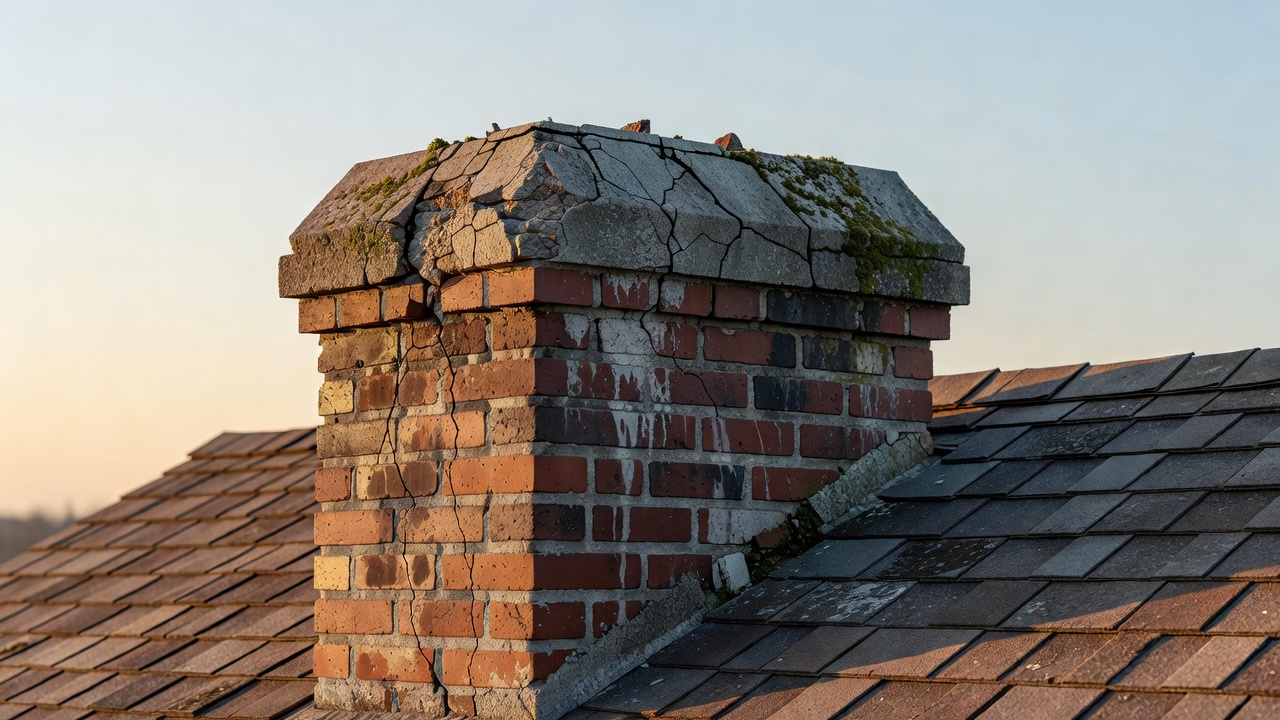
Efflorescence is a white or chalky deposit that can appear when moisture moves through masonry and carries dissolved minerals toward the surface.
Efflorescence does not identify the exact source of the water by itself. It can be a reason to investigate moisture intrusion, particularly when it appears around the upper portion of the chimney.
What to do: Arrange an assessment if the staining is persistent or accompanied by cracking, deteriorated mortar, or other visible damage.
Visible Cracks Across the Crown
Cracks in the crown deserve attention, but their appearance from the ground does not establish how deep they are or whether the crown needs complete replacement.
A crack can range from a surface defect to a sign of more extensive deterioration. The location, extent, depth, and condition of the surrounding material all matter.
What to do: Have significant or expanding cracks evaluated rather than trying to determine their severity from a distance.
Fine Surface Cracking
Small surface cracks or crazing can occur in cementitious materials. They do not automatically mean that the entire crown has failed.
However, homeowners should not assume that applying a sealer will solve the problem without understanding why the cracking occurred.
What to do: Document the condition and ask a qualified professional whether repair, sealing, monitoring, or replacement is appropriate.
Pieces of Crown Material or Masonry Debris
Loose pieces of concrete or mortar around the chimney are more concerning than an isolated surface mark.
Falling material can indicate deterioration of the crown or surrounding masonry. It can also create a pathway for additional water intrusion.
What to do: Arrange a professional evaluation, particularly if material is actively falling or the chimney shows other signs of deterioration.
A New Draft or Smoke Problem
A sudden change in fireplace draft should not automatically be blamed on the chimney crown.
Draft can be affected by several factors, including blockages, flue configuration, combustion air, appliance changes, weather, and pressure conditions inside the home. EPA guidance notes that fireplaces and other combustion appliances can backdraft combustion products into living spaces under certain conditions.
What to do: If smoke repeatedly enters the room, stop using the fireplace until the cause has been evaluated. Do not assume that crown repair alone will correct the problem.
Water Stains Near the Chimney
Water staining on a ceiling or wall near a chimney can indicate an active leak, but the stain does not identify the entry point.
Possible sources include the crown, flashing, masonry, roofing materials, or other portions of the chimney and roof assembly.
What to do: Have the area evaluated rather than assuming the crown is automatically responsible.
Rust Inside the Fireplace
Rust on a damper, firebox component, or other metal surface can indicate moisture exposure. It does not, however, prove that the crown is the source.
Water can enter through several parts of the chimney and roof system.
What to do: If rust is accompanied by water staining, masonry deterioration, or other signs of moisture, arrange an inspection to identify the source.
Deterioration Around the Flue
The area where the flue liner passes through the crown deserves attention. CSIA inspection guidance specifically includes examination of the crown and flashing during a Level 2 masonry chimney inspection.
A visible separation, damaged material, or other deterioration around the flue should be evaluated rather than covered with an unspecified sealant.
What to do: Ask the contractor to explain what has deteriorated and how the proposed repair will accommodate the flue’s construction.
Gaps Around the Flue
A visible gap between the crown and flue area can be a sign that the termination assembly needs attention.
However, homeowners should not climb onto a roof or attempt to determine the condition of the joint simply because it cannot be seen from the ground.
What to do: Have a qualified professional inspect the chimney top if the area cannot be safely evaluated from ground level.
Why Crown Condition Matters
The chimney crown helps shed water away from the masonry and flue termination. CSIA materials describe crowns as having a slope away from the flue and an overhang that helps direct water away from the chimney structure.
The exact construction varies between chimneys. It is therefore better to evaluate the existing crown against the requirements appropriate to that chimney rather than assume every crown must have one universal thickness or design.
A damaged crown can contribute to moisture entry, but it should be considered as part of the entire chimney system. The flashing, masonry, flue, cap, and surrounding roof should be evaluated when the evidence suggests that water is entering the assembly.
Does a Crown Problem Require a Level 2 Inspection?
Not automatically.
NFPA’s inspection framework distinguishes between Level 1, Level 2, and Level 3 inspections. Level 1 covers readily accessible areas when the chimney is being used under the same conditions. Level 2 is more extensive and includes accessible areas such as attics and crawl spaces plus video scanning or another appropriate method for examining the flue. Level 3 is used when a suspected hazard cannot be adequately evaluated through the lower inspection levels.
A crown defect can be observed during other chimney maintenance or inspection work without automatically requiring a Level 2 inspection. The appropriate scope depends on what needs to be evaluated.
When Should You Have the Crown Checked?
CSIA recommends that chimneys, fireplaces, and vents be inspected at least once a year. Cleaning, maintenance, and repairs should be performed when necessary based on the condition of the system.
You should also consider an evaluation when you notice new water staining, visible masonry deterioration, pieces of material falling from the chimney, problems around the flue termination, or other changes in the chimney’s condition.
If a fireplace is producing smoke in the living area, treat that as a separate safety concern rather than assuming a crown defect is responsible. EPA notes that damaged or improperly maintained chimneys and flues can release combustion gases and that backdrafting can bring combustion products into living spaces.
Getting a Professional Assessment
The best way to determine whether a crown needs sealing, repair, or reconstruction is to have the actual condition evaluated.
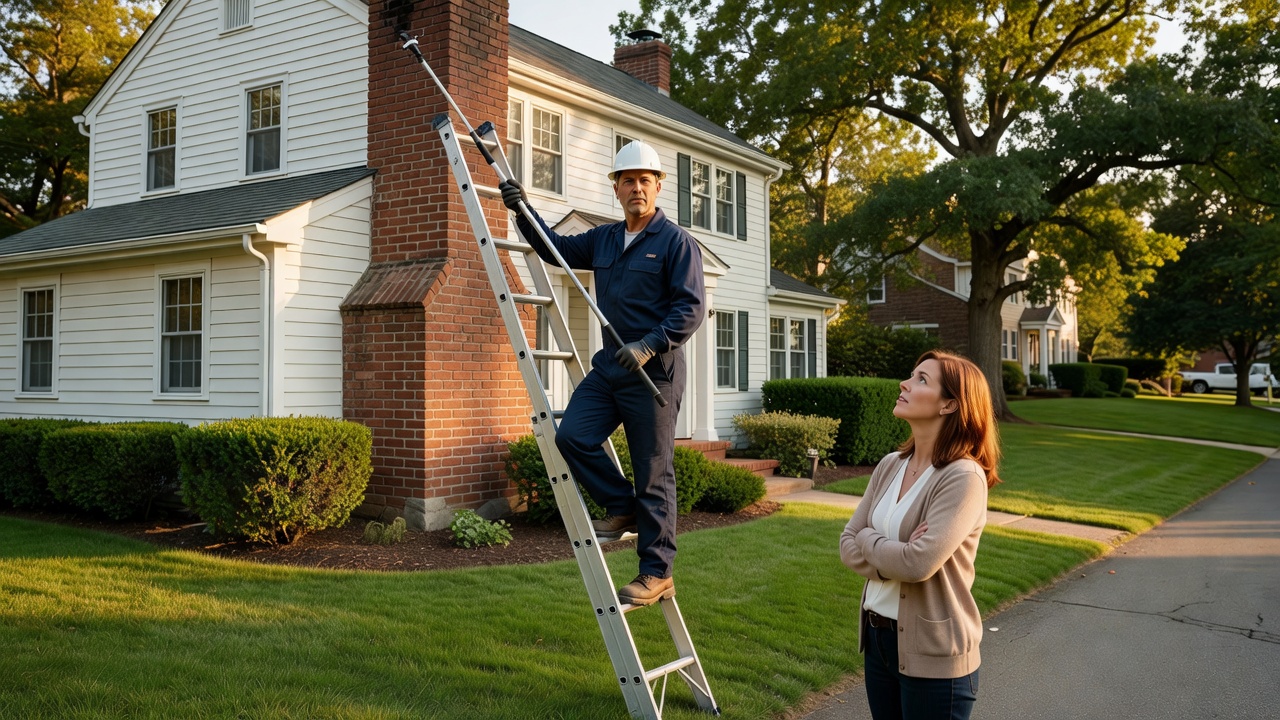
Ask the contractor to show you the problem, explain what caused or may have contributed to it, and provide a written scope for the recommended work. If the recommendation involves substantial masonry or chimney repairs, getting a second opinion can help you compare the proposed solutions.
For homeowners in Greenvale, Roslyn, Roslyn Heights, and nearby communities, the goal should be to address the actual source of deterioration rather than simply covering visible cracks. A properly scoped repair can help protect the chimney from continued moisture exposure while avoiding unnecessary work.
Related from Greenvale Chimney: Chimney Repair in Greenvale, NY · Chimney Repair in Greenvale