Published October 28, 2026
What Greenvale Homeowners Get Wrong About Chimney Sweeps
Many homeowners in Greenvale, New York, assume their chimney is safe as long as the fireplace looks clean and works normally. Others believe that using a fireplace only a few times each winter means they can skip routine service. Both assumptions can lead to overlooked maintenance and potential safety concerns.
A chimney can develop hidden creosote buildup, moisture damage, or structural deterioration even when the fireplace appears to be in good condition. Understanding what chimney sweeping includes, how inspections work, and when to schedule service can help Greenvale homeowners make better decisions about fireplace safety.
Myth 1: A Clean-Looking Firebox Means the Chimney Is Fine
The firebox is the part of the fireplace most homeowners can see. If it looks clean, it may be tempting to assume the entire chimney is in good condition.
However, creosote, a combustible byproduct of burning wood, can accumulate on the interior surfaces of the flue. These areas may not be visible from the fireplace opening, and a clean firebox does not establish that the chimney is free of deposits or damage.
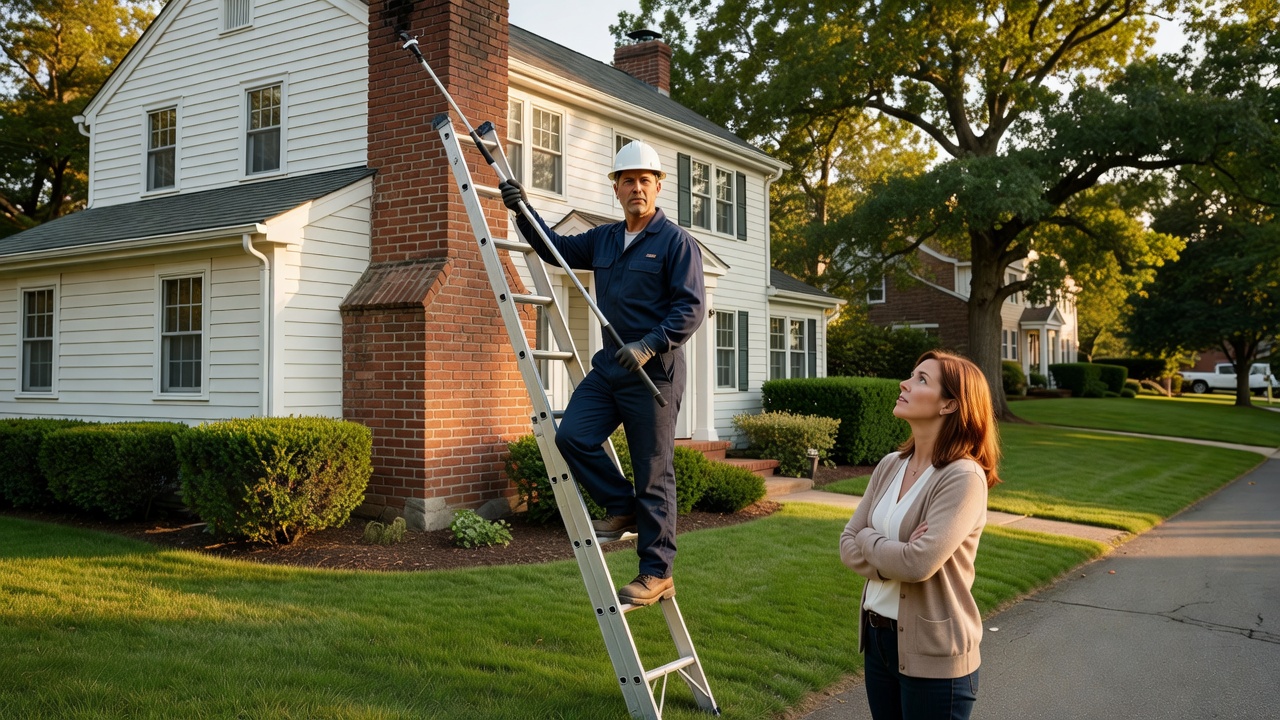
A professional inspection can assess accessible parts of the chimney system and identify whether further examination or cleaning is necessary. Depending on the chimney’s condition, additional equipment may be needed to evaluate the flue interior.
What to do: Arrange an annual chimney inspection, even if the fireplace appears clean. Cleaning should be performed when deposits or other conditions make it necessary.
Myth 2: Infrequent Fireplace Use Means You Can Skip Service
Using your fireplace only a few times each winter may reduce the amount of creosote produced, but it does not eliminate the need for inspection.
Moisture can damage masonry and mortar joints regardless of how often a fire is lit. Animals can also enter an uncapped chimney and build nests that restrict airflow. Other issues, such as deteriorating flashing or a damaged chimney crown, can develop while a fireplace is idle.
These problems may remain unnoticed until the fireplace is used again.
What to do: Follow the recommendation for annual inspection even if you rarely burn wood. A chimney professional can determine whether cleaning, maintenance, or repairs are necessary based on the system’s condition.
Myth 3: CSIA Certification Is Optional When Choosing a Chimney Sweep
When searching for chimney sweep service in Greenvale, some homeowners focus primarily on price and availability. However, qualifications and documented inspection procedures also matter.
The Chimney Safety Institute of America (CSIA) offers the Certified Chimney Sweep credential, which is nationally recognized as evidence of knowledge about chimney and venting system evaluation and maintenance. Certification can help homeowners identify professionals who have demonstrated relevant knowledge.
A qualified technician should be able to explain the inspection process, describe any concerns found, and provide clear recommendations. Homeowners should also verify the technician’s current credentials rather than relying on a company name or advertising claim alone.
What to do: Ask whether the technician holds current CSIA certification or another relevant qualification. You can use the CSIA certified professional directory to help verify credentials and locate professionals.
Myth 4: Chimney Cleaning and Chimney Inspection Are the Same Service
Cleaning and inspection serve different purposes.
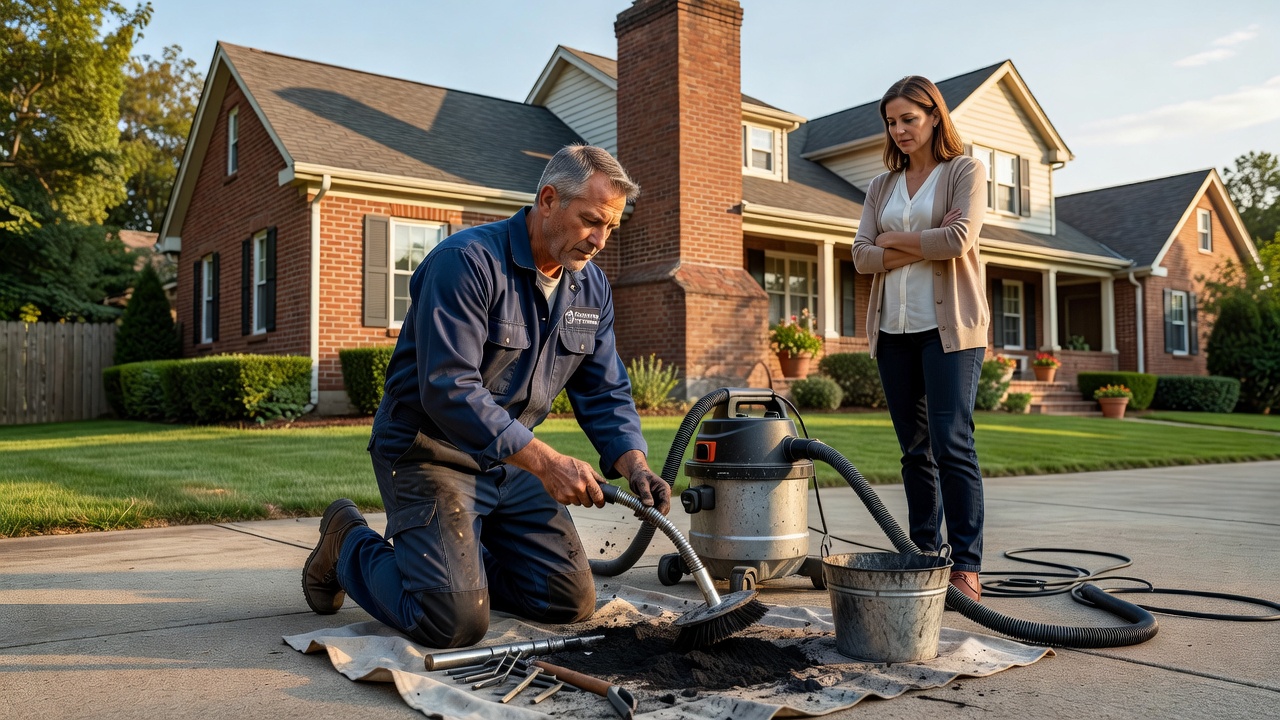
Chimney cleaning removes soot, creosote, and other deposits when necessary. An inspection evaluates the condition of the chimney, fireplace, and connected venting system within the scope of the inspection level performed.
CSIA guidance describes three inspection levels:
-
Level 1: Generally appropriate when the chimney and appliance remain in their existing configuration and there are no known conditions requiring a more detailed examination.
-
Level 2: Includes a more detailed evaluation and a video scan of the flue interior when feasible. It is commonly appropriate when conditions change, after certain potentially damaging events, during property sales, or when a Level 1 inspection is insufficient.
-
Level 3: May involve accessing concealed areas when a suspected serious hazard cannot be adequately evaluated through a less invasive inspection.
A cleaning appointment does not automatically mean that every part of the chimney has been thoroughly inspected. Ask what inspection level is included and what areas will be examined.
What to do: Request documentation of the inspection findings and ask whether the service includes cleaning, inspection, or both.
Myth 5: The Cheapest Chimney Sweep Is Always the Best Value
Price matters, but the lowest advertised rate does not necessarily represent the best value. Service packages can differ in scope, and a basic cleaning may not include a detailed inspection or written documentation.
Before comparing prices, ask each contractor what the service covers. Find out whether the quote includes inspection, cleaning, additional flues, and any applicable fees.
Repairs such as liner replacement, crown rebuilding, or damper replacement should be explained separately from routine cleaning. The appropriate repair and its cost depend on the inspection findings and the extent of the damage.
Be cautious if a contractor recommends expensive work without explaining the problem or providing supporting evidence. A written report and itemized estimate can help you understand the recommendation and compare quotes.
What to do: Compare contractors based on qualifications, service scope, written findings, and total price. If major repairs are recommended, consider obtaining a second opinion.
Myth 6: You Only Need a Chimney Sweep When Something Goes Wrong
Waiting for smoke to enter the room or an unusual odor to develop is not a reliable maintenance strategy. Some chimney problems remain hidden until they become more serious.
Creosote buildup can increase the risk of a chimney fire, while certain defects can compromise the safe venting of combustion gases. Carbon monoxide is particularly dangerous because it cannot be detected by smell.
The CSIA follows NFPA 211 guidance recommending that chimneys, fireplaces, and vents be inspected at least once a year. Cleaning, maintenance, and repairs should be completed when necessary.
What to do: Check your maintenance records and schedule an inspection if one is due. If you suspect a blockage, liner damage, or another serious defect, stop using the fireplace until it has been assessed. Maintain working carbon monoxide alarms as an additional safety measure.
Schedule Chimney Sweep Service in Greenvale, NY
Routine chimney maintenance helps homeowners understand the condition of their fireplace and identify potential problems before they become more extensive. An annual inspection can reveal concerns that may not be visible from the firebox, while cleaning can remove deposits when necessary.
Ridgewood Chimney is named as the service provider for Greenvale and surrounding Nassau County communities in this article. Contact the company to confirm its service area, inspection options, and current pricing.
Before scheduling, ask whether the service includes a written inspection report and whether any additional fees apply. Knowing what the appointment covers helps you make an informed decision about the care and safety of your chimney.
Related from Greenvale Chimney: Chimney Waterproofing in Greenvale and Glen Head · Chimney Repair in Old Brookville · Chimney Repair in Glen Head