Published October 27, 2026
Chimney Crown Repair in Greenvale, NY: Warning Signs and What the Work Actually Costs
A chimney crown protects the top of a masonry chimney from rain, snow, and moisture. When the crown cracks or deteriorates, water can penetrate the masonry and contribute to damaged bricks, failing mortar joints, and interior leaks. For homeowners in Greenvale, NY, identifying crown damage early can help prevent a localized repair from becoming a more extensive masonry project.
Chimney crown problems are not always obvious from the ground. Small cracks may develop into larger openings, while moisture can damage the chimney beneath the surface. Knowing which warning signs to look for, how professionals assess the damage, and what repairs typically cost can help you make an informed decision about your chimney.
What Does a Damaged Chimney Crown Do to Your Chimney?
A chimney crown is the protective structure at the top of a masonry chimney that surrounds the flue opening and directs water away from the brickwork. It is different from a chimney cap, which covers the flue opening to help keep out rain, animals, and debris.
When a crown cracks, crumbles, or has an inadequate slope, water can collect on the surface or enter through damaged areas. Over time, moisture can deteriorate mortar joints, damage brick faces, and contribute to problems inside the chimney.
During colder weather, water absorbed into masonry can freeze and expand. Repeated freeze-thaw cycles can worsen existing cracks and accelerate deterioration. The Chimney Safety Institute of America (CSIA) identifies water penetration as a major cause of chimney damage and recommends maintaining the crown, flashing, and exterior masonry to help protect the structure.
A damaged crown does not necessarily mean the entire chimney needs rebuilding. The appropriate repair depends on the condition of the crown and whether water has already affected the surrounding masonry.
Warning Signs That Your Chimney Crown Needs Repair
Some crown problems are visible from the ground, while others become apparent only during a closer inspection. These warning signs can help you decide when to arrange a professional assessment.
1. Visible Cracks Across the Crown
Cracks are among the most recognizable signs of crown deterioration. You may be able to see them from the ground with binoculars or during a professional roof-level inspection.
Not every hairline crack requires a complete crown replacement. However, cracks can allow water to penetrate the material, and their appearance alone cannot establish how deep the damage extends.
What to do: Arrange an inspection if you notice cracking, especially if the crown is also crumbling, separating, or showing signs of water damage. A professional can determine whether a compatible crown sealant is appropriate or whether more extensive repair is necessary.
2. Crumbling or Spalling Along the Crown Edges
The crown should project beyond the chimney’s brickwork and direct water away from the masonry. When its edges begin to crumble or break apart, water may run directly down the chimney walls.
You may notice loose pieces of concrete or mortar on the roof near the chimney. In more advanced cases, the damage may extend into the upper courses of brick.
What to do: Arrange a professional inspection promptly. If the crown has lost substantial material or no longer provides effective water protection, rebuilding it may be more appropriate than applying a surface coating.
3. White Staining on the Upper Bricks
White, chalky deposits on exterior masonry are often called efflorescence. They form when water moves through masonry and leaves soluble salts behind as it evaporates.
Efflorescence can indicate moisture movement, but it does not prove that the crown is the source. Water may also enter through defective flashing, deteriorated mortar, or other openings.
What to do: Have the crown, flashing, and surrounding masonry examined to identify the source of moisture. Cleaning the white residue without addressing the underlying problem will not prevent it from returning.
4. Rust on the Damper or Inside the Firebox
Rust around the damper or on metal components inside the fireplace can indicate that moisture is entering the chimney system. Water may be coming through the crown, chimney cap, flashing, or another damaged component.
Rust alone does not identify the exact entry point, so it is important to examine the entire chimney rather than assume the crown is responsible.
What to do: Schedule an inspection that includes the crown, flue, damper, and other areas where water may enter. The repair should address the source of the moisture as well as any resulting damage.
5. Deteriorating Mortar Near the Chimney Top
Mortar joints near the upper courses of brick are exposed to weather and may deteriorate over time. Recessed joints, loose mortar, and missing sections can allow additional water to penetrate the chimney.
If the crown is also damaged, repairing the mortar without correcting the water-entry problem may lead to recurring deterioration.
What to do: Ask the contractor to assess both the crown and the affected masonry. Repointing may restore damaged joints, but a failing crown may also need repair or replacement.
6. Water Stains on Ceilings or Walls Near the Fireplace
Brown stains, bubbling paint, or damp areas near a chimney can indicate water intrusion. The source may be the crown, flashing, roof covering, or another part of the building envelope.
Interior staining does not automatically mean the chimney crown has failed. A proper assessment should identify where the water is entering before repairs begin.
What to do: Arrange an inspection of the chimney and its roof connections. Addressing the source before repainting or replacing interior finishes can help prevent recurring damage.
7. Peeling Paint or Persistent Dampness Near the Chimney
Moisture behind interior finishes can cause paint to bubble, peel, or discolor. If the affected area is near the fireplace or chimney, water intrusion is one possible explanation.
Other building-envelope problems can produce similar symptoms, so the crown should be evaluated alongside the flashing and surrounding roof.
What to do: Schedule an assessment if the problem recurs or appears after rain. Do not rely on repainting alone to resolve a moisture problem.
8. A Rusted or Damaged Metal Chase Cover
Some prefabricated fireplaces have a metal chase cover rather than a traditional masonry crown. The chase cover protects the top of the framed enclosure around the chimney system.
Rust, warping, damaged seams, or displacement can allow water to enter the enclosure. This may contribute to corrosion or moisture damage in concealed areas.
What to do: Have the chase cover assessed and repaired or replaced as needed. Because a chase cover is not the same as a masonry crown, the repair method and materials will differ.
9. New Damage After Freezing Weather
If new cracks or loose material appear after a period of freezing and thawing, moisture-related deterioration may have worsened.
Freeze-thaw cycles can accelerate damage, but the timing alone does not establish the cause or severity. A professional needs to evaluate whether the damage is limited to the crown or extends into the masonry below.
What to do: Arrange an inspection rather than waiting for another season of weather exposure. Prompt repairs may help limit further water intrusion.
How Professionals Repair a Damaged Chimney Crown
The repair method depends on the crown’s condition, construction, and the extent of the surrounding damage.
Crown Sealing for Limited Cracking
If the crown remains structurally sound and the damage is suitable for sealing, a professional may apply a compatible elastomeric crown sealant. The surface must be prepared correctly, and the product must be appropriate for the crown material and condition.
Sealant is not a universal solution. A severely cracked, crumbling, or poorly constructed crown may require rebuilding instead.
Crown Repair or Resurfacing
When deterioration is more extensive but the existing structure remains suitable for repair, the contractor may repair damaged areas or apply an appropriate resurfacing system.
The repair must restore effective water shedding and address the underlying cause of the damage. Simply covering loose or unstable material may not provide a durable result.
Full Chimney Crown Replacement
A crown that has failed structurally may need to be removed and replaced. A properly constructed replacement should direct water away from the brickwork and accommodate the movement of the flue liner.
The contractor should also assess the connection between the crown and the flue liner, since an improperly detailed connection can contribute to cracking or water penetration.
Related Masonry and Flashing Repairs
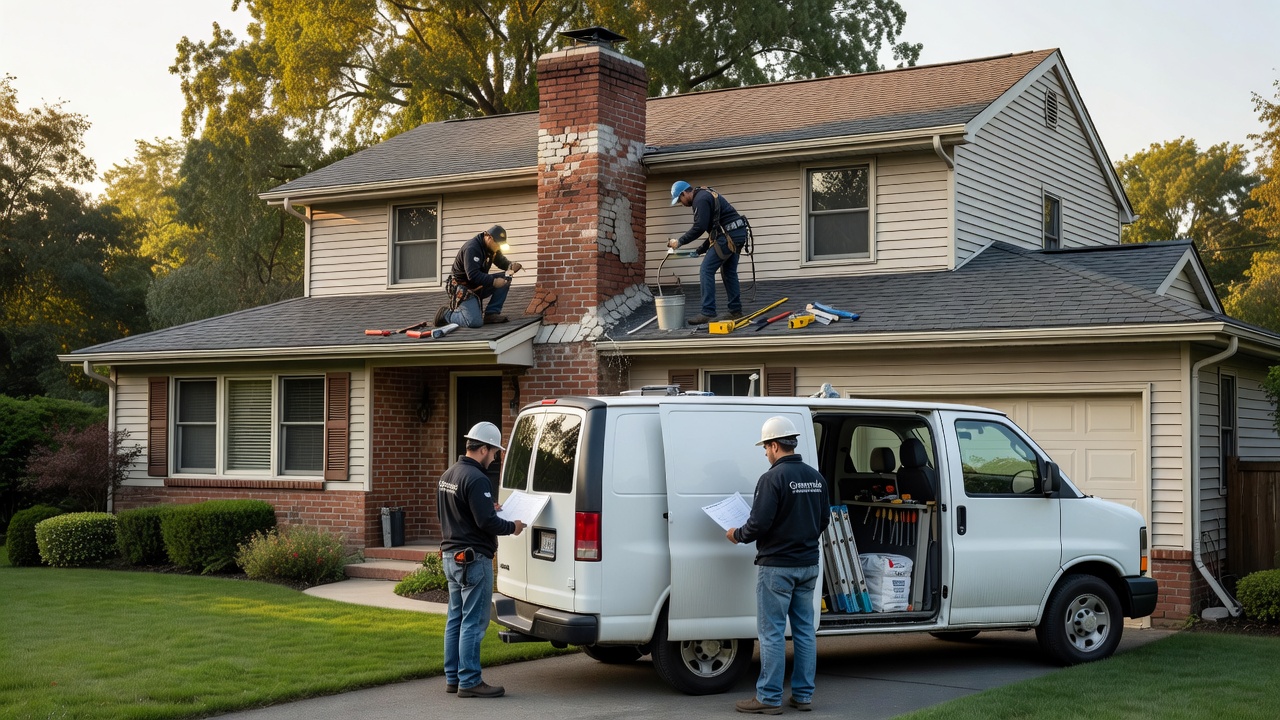
If moisture has damaged the surrounding brickwork, the project may also require repointing or replacement of deteriorated bricks. Defective flashing may need repair or replacement to prevent water from entering where the chimney meets the roof.
These additional repairs should be identified in the inspection findings and included in the written estimate.
What Does Chimney Crown Repair Cost in Greenvale, NY?
Chimney crown repair prices vary depending on the severity of the damage, chimney dimensions, roof access, and whether additional masonry work is needed.
Published contractor estimates for Long Island and national cost guides provide a useful starting point, but they do not establish the price for a specific Greenvale property.
The following ranges are approximate budgeting figures based on published pricing. Actual local quotes may differ.
| Type of work | Approximate cost |
|---|---|
| Minor crown crack sealing or limited repair | $300–$800 |
| More extensive crown repair or resurfacing | $500–$1,500 |
| Full crown replacement | $900–$3,000 |
These ranges overlap because contractors classify repairs differently. A simple sealing job may cost less than a repair involving substantial surface preparation, while a large or difficult-to-access crown may cost more than a standard replacement.
What Affects the Final Price?
Extent of damage: Limited cracking may require less labor and material than a crown that is crumbling or structurally compromised.
Chimney size and design: Larger crowns, multiple flues, and unusual configurations can increase the amount of material and labor required.
Roof height and accessibility: Steep roofs, tall chimneys, and difficult access may require additional safety equipment or setup time.
Additional repairs: Deteriorated mortar joints, damaged bricks, defective flashing, or water-related interior damage can increase the total project cost.
Materials and construction method: The appropriate repair material depends on the existing crown and the requirements of the chimney system.
Before approving the work, request a written estimate that separates crown repairs from additional masonry or roofing work. Ask whether the proposed solution is a sealant application, resurfacing, or full replacement, and request photographs documenting the damage.
Why an Inspection Matters Before Repairing the Crown
A damaged crown can be easy to spot, but determining the correct repair requires examining the surrounding chimney.
During a routine Level 1 inspection, a qualified chimney professional examines readily accessible portions of the chimney and connected appliance. If the circumstances call for a more detailed evaluation, a higher inspection level may be appropriate.
NFPA 211 recommends that chimneys, fireplaces, and vents be inspected at least annually for soundness, deposits, and proper clearances. Cleaning, maintenance, and repairs should be performed when necessary.
An inspection can help determine whether the crown is the main problem or whether water has also damaged the flashing, mortar joints, flue liner, or other components.
Schedule a Chimney Crown Inspection in Greenvale, NY
Cracked crowns, crumbling edges, white masonry deposits, rust, and interior water stains can all indicate that your chimney needs attention. However, these signs do not all have the same cause, and the appropriate repair depends on what the inspection reveals.
Ridgewood Chimney is the business named in this article. Before publishing, confirm that the company currently serves Greenvale and surrounding Nassau County communities and verify whether it offers a free inspection.
If the service is available, contact Ridgewood Chimney to discuss your concerns and arrange an assessment. A written inspection report and estimate can help you understand the condition of your crown, compare repair options, and decide what work your chimney actually needs.
Related from Greenvale Chimney: What Chimney Masonry Repair Actually Costs in Greenvale, NY · Chimney Repair in Old Brookville · Chimney Repair in Glen Head
Areas we serve
Greenvale, NY · Greenvale, NY · Greenvale, NY · Greenvale, NY · Greenvale, NY