Chimney Waterproofing in Greenvale and Glen Head: What Most Homeowners Get Wrong About Timing
Water is one of the biggest threats to a masonry chimney. Moisture can enter porous brick and mortar, then expand when it freezes and contracts as temperatures rise. Over time, this can contribute to cracked crowns, deteriorating mortar joints, and spalling brick. For homeowners in Greenvale, Glen Head, and nearby Nassau County communities, understanding when to waterproof and what the process involves can help prevent small moisture problems from becoming expensive repairs.
“The Chimney Looks Fine, So There’s No Urgency”
A chimney can have moisture problems before visible damage appears. Brick is porous, so water can move into the masonry and contribute to deterioration over time.
This is especially important for homes near the North Shore, where chimneys are exposed to precipitation, humidity, and coastal conditions. A ground-level inspection cannot always reveal problems on the crown, flashing, or upper sections of the chimney.
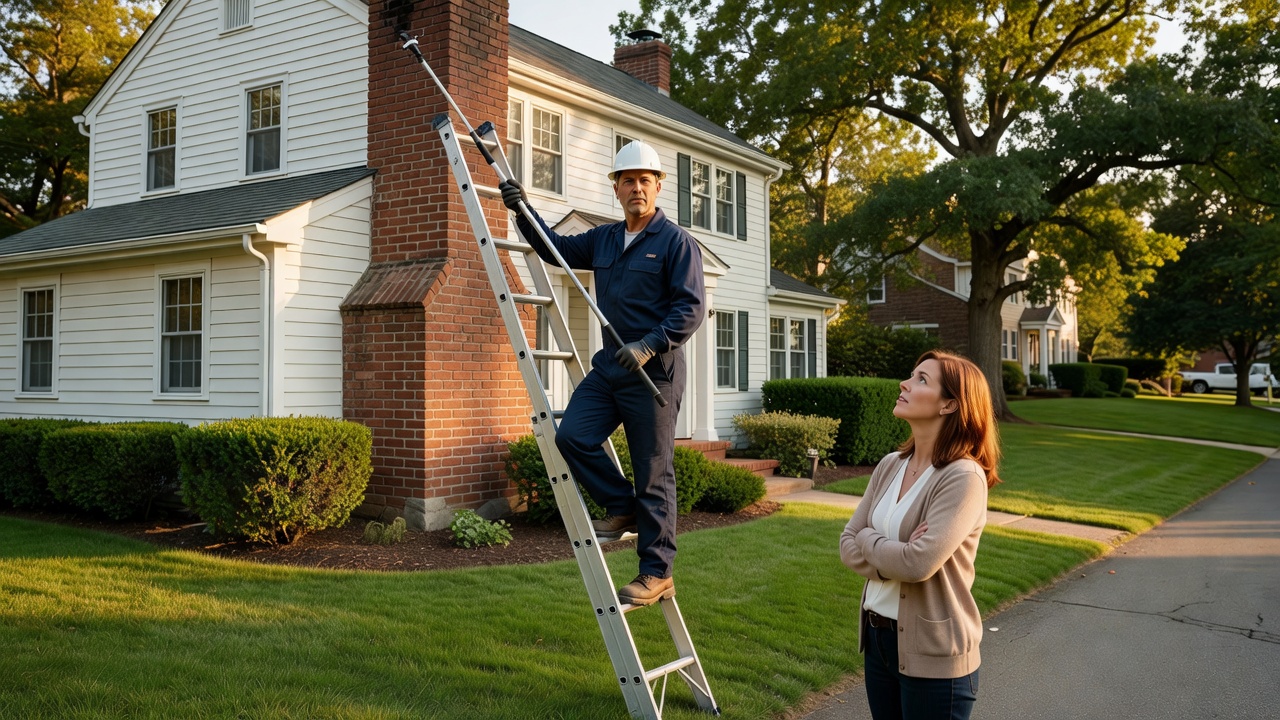
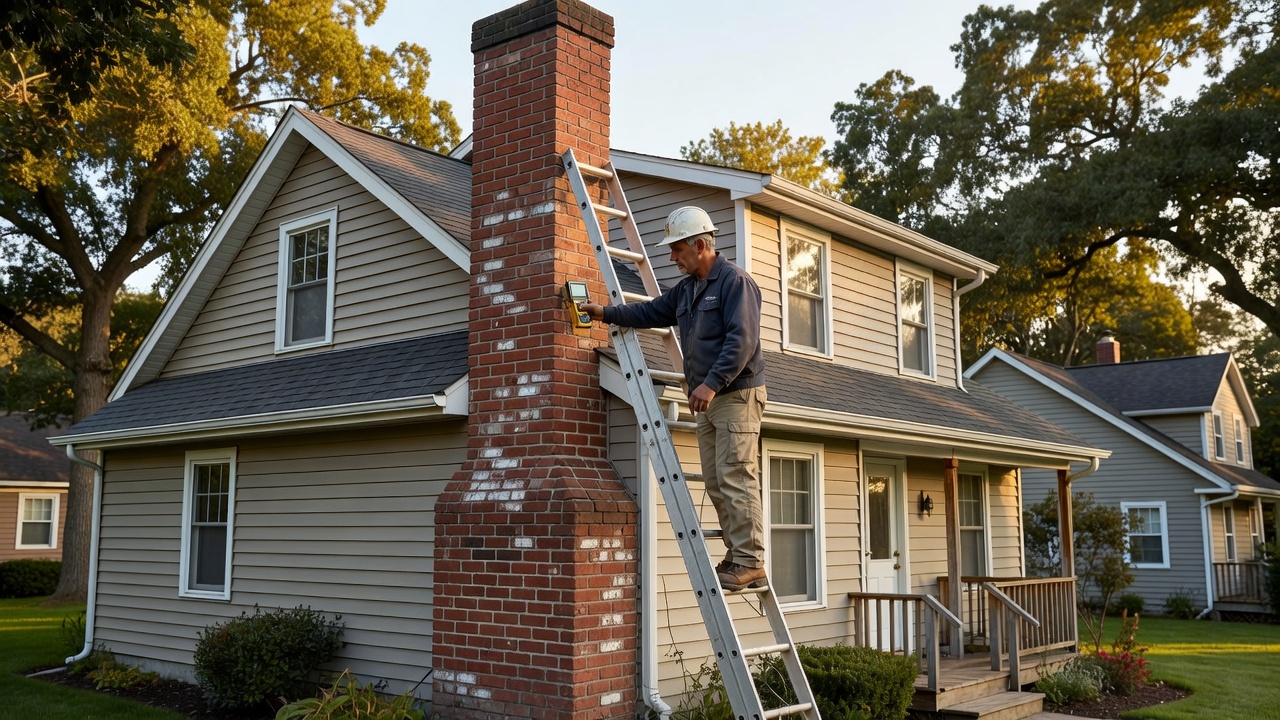
An annual chimney inspection can help identify areas where water is entering before the damage becomes more extensive. Early repairs are generally easier to manage than structural masonry work after repeated freeze-thaw cycles.
“Fall Is the Right Time to Book”
Fall is when many homeowners begin thinking about their fireplaces, which makes September through November a busy period for chimney companies. That can make scheduling repairs or waterproofing more difficult.
Late spring and early summer can be a better window for waterproofing because many products require dry masonry and suitable temperatures during application. Always follow the manufacturer’s specific temperature and weather requirements.
Scheduling earlier also gives you time to address other problems, such as damaged mortar, a cracked crown, or deteriorated flashing, before the next heating season.
“Waterproofing and Sealing Are the Same Thing”
The products used on chimney masonry are not interchangeable. A product that simply forms a surface film may not be appropriate for a chimney because masonry needs to allow moisture vapor to escape.
Chimney waterproofing products should be specifically designed for masonry and applied according to the manufacturer’s instructions. A professional can evaluate the condition of the chimney before recommending a product.
Applying a waterproofing product over existing structural damage does not fix the underlying problem. Cracked mortar, damaged crowns, and defective flashing should be addressed first.
“It’s a One-Time Fix”
Waterproofing is not necessarily permanent. The lifespan of a treatment depends on the product, application, weather exposure, and condition of the chimney.
North Shore chimneys experience regular exposure to rain, snow, temperature changes, and humidity. Even after waterproofing, homeowners should continue with routine inspections so new cracks or other moisture problems can be identified.
Think of waterproofing as part of chimney maintenance rather than a permanent replacement for inspections and repairs.
“The Price Is the Same Whenever You Book”
Timing can affect both scheduling and the overall repair process. During the fall rush, contractors may have fewer openings and less flexibility to complete related masonry work before winter.
For a standard single-flue chimney in Greenvale or Glen Head, the supplied estimate for waterproofing is approximately $300 to $600. The actual price can vary depending on chimney height, accessibility, condition, and whether preparation work is required.
If the masonry has already deteriorated significantly, additional repairs can increase the total. Full repointing in Nassau County may cost approximately $1,000 to $2,500 or more, depending on the scope.
The important distinction is that waterproofing itself is not necessarily expensive. Delaying it until water has caused significant masonry damage is what can make the overall project much more costly.
What Should Happen Before Waterproofing
Before applying any waterproofing treatment, have the chimney evaluated for:
- Cracked or deteriorated mortar joints
- Crown damage
- Damaged or missing chimney caps
- Defective flashing
- Spalling brick
- Signs of existing water intrusion
Any significant defects should be addressed before the waterproofing application. Otherwise, the treatment may not solve the source of the moisture problem.
The Best Time to Get Started
For homeowners in Greenvale, Glen Head, and surrounding Nassau County communities, late spring and early summer can be an ideal time to evaluate chimney waterproofing. The weather can provide better application conditions, contractors generally have more scheduling flexibility, and there is time to complete related repairs before winter.
If you have not had your chimney inspected recently, start with an inspection rather than buying a waterproofing product first. That gives you a clearer picture of whether the chimney needs waterproofing, masonry repair, or both.
Ridgewood Chimney serves Greenvale, Glen Head, and surrounding Nassau County communities. Contact us to schedule a free chimney inspection and find out what your chimney actually needs before the next heating season.
Related from Greenvale Chimney: Chimney Repair in Greenvale, NY · Chimney Repair in Greenvale, NY