How to Hire the Right Chimney Damper Repair Contractor in Greenvale, NY
Your fireplace drafts perfectly all season, but then one cold January morning you notice chilly air pouring into your living room even though the damper is closed. Or you go to open it before lighting a fire, and the handle barely moves.
Those are the moments many Greenvale homeowners realize just how important the chimney damper really is.
Whether it’s a traditional cast-iron throat damper or a top-mounted damper at the chimney crown, this small component plays a major role in fireplace performance, energy efficiency, and safety.
This guide isn’t a sales pitch. It’s practical advice to help you understand what you can reasonably handle yourself, when it’s time to hire a certified professional, and how to recognize the difference between a qualified chimney contractor and someone who’s simply looking for another repair job.
What a Chimney Damper Does and Why Greenvale’s Climate Matters
A throat damper is located just above the fireplace firebox and closes off the flue when the fireplace isn’t being used.
A top-mounted damper performs the same function from the top of the chimney.
Both are designed to keep heated indoor air from escaping while preventing cold outdoor air, rain, debris, and animals from entering the chimney.
Greenvale, located on Long Island’s North Shore in Nassau County, experiences freezing winter temperatures, regular moisture exposure, and repeated freeze-thaw cycles throughout the colder months.
Those changing temperatures place constant stress on metal components.
A damper that functioned adequately a few years ago may now have:
- Rusted hinges
- A warped damper plate
- Broken linkage
- A damaged seal that allows air leakage
According to NFPA 211, a properly functioning damper is an important component of a safe, vented masonry fireplace.
A damaged or missing damper isn’t simply an inconvenience—it can affect both fireplace safety and home energy efficiency.
What You Can Safely Handle Yourself
Some chimney damper maintenance is suitable for homeowners.
You can:
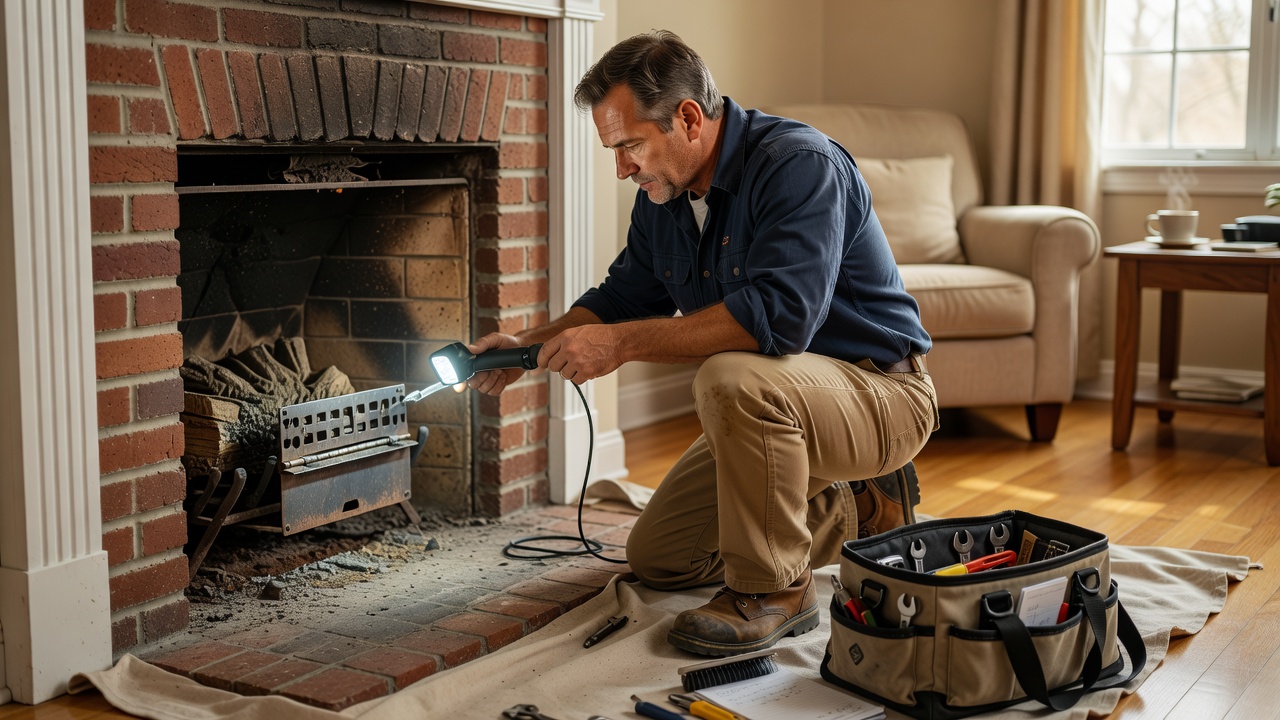
- Inspect the damper with a flashlight.
- Check for heavy rust, cracks, or obvious damage.
- Operate the handle or cable to verify smooth movement.
- Remove light surface rust using a wire brush.
- Apply a high-temperature dry graphite lubricant to stiff moving parts.
If your throat damper uses a rope gasket around its edge, replacing that gasket is also manageable for many homeowners who are comfortable working inside the firebox.
If the damper opens and closes smoothly and seals tightly with no visible gaps, minor maintenance may be all that’s needed.
That’s generally where DIY repairs should end.
When It’s Time to Hire a Professional
Some repairs require specialized knowledge and equipment.
Examples include:
- Warped damper frames
- Cracked cast-iron damper plates
- Broken operating mechanisms
- Complete throat damper replacement
- Top-mounted damper installation
These aren’t simply mechanical repairs.
An improperly functioning damper can affect chimney draft, causing smoke—or worse, carbon monoxide—to enter your home instead of venting safely outside.
Both the Environmental Protection Agency (EPA) and the Chimney Safety Institute of America (CSIA) emphasize the importance of maintaining chimney systems to help reduce carbon monoxide hazards.
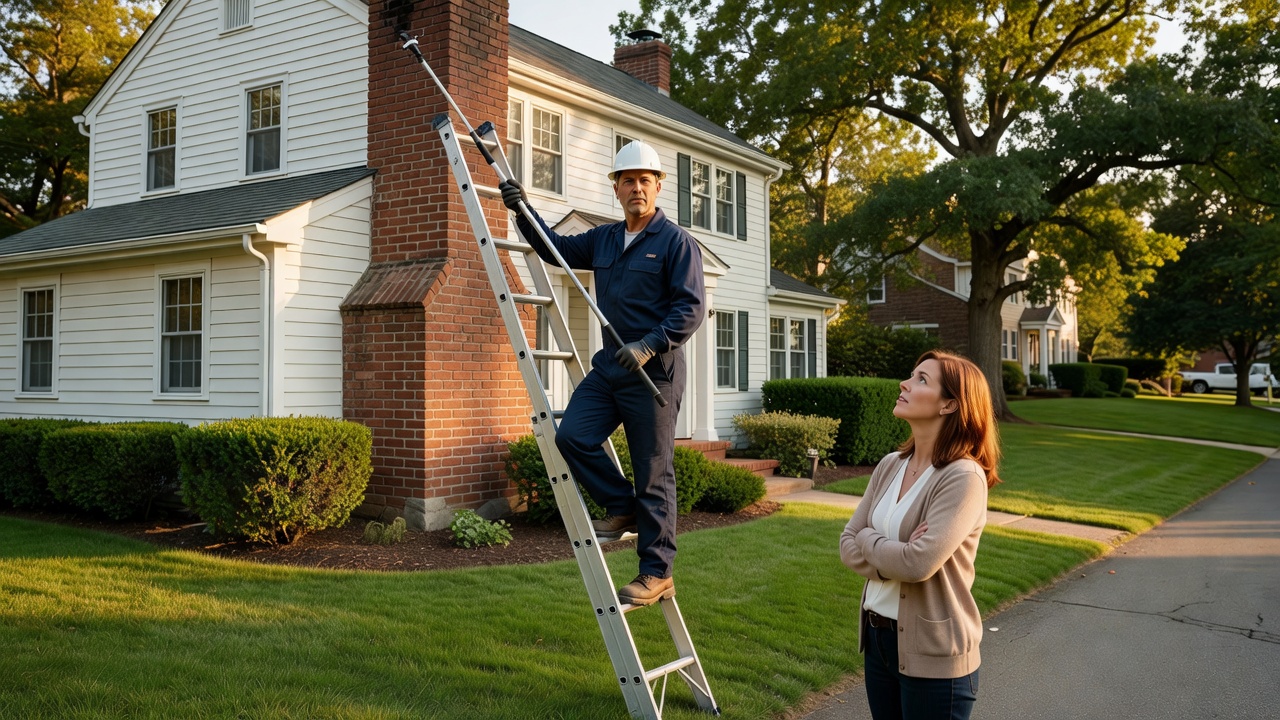
Top-mounted damper installations also require roof work, often 20 to 35 feet above ground.
Many homes throughout Greenvale and neighboring communities have rooflines that make this work unsafe without proper fall protection and professional equipment.
Equally important, a damaged damper is often only one symptom of a larger problem.
Water entering through a cracked chimney crown, deteriorated flashing, or damaged flue liner frequently causes damper deterioration.
Replacing the damper without identifying the underlying cause often leads to repeat repairs.
Certifications Worth Looking For
When comparing chimney contractors in Nassau County, two certifications deserve particular attention.
A CSIA Certified Chimney Sweep has demonstrated knowledge of chimney inspection, maintenance, repair standards, and fire safety through nationally recognized testing.
For most damper repairs, this should be considered the minimum qualification.
If the repair involves replacing the damper or making changes that affect chimney drafting, an NFI Certified Specialist (National Fireplace Institute) offers additional expertise in fireplace venting systems and appliance performance.
Ask for the technician’s certification number.
CSIA maintains a public certification lookup that allows homeowners to verify whether a certification is current.
Five Questions to Ask Before Hiring Anyone
Qualified chimney professionals shouldn’t hesitate to answer these questions.
Will You Perform a Level 1 Inspection Before Quoting Repairs?
NFPA 211 defines a Level 1 inspection as the minimum evaluation for a chimney that’s in regular service.
Without an inspection, any repair estimate is simply an educated guess.
Does the Estimate Include More Than Just the Damper?
Ask whether the technician will also inspect the chimney crown, flashing, liner, and surrounding masonry.
A damaged damper often results from moisture entering elsewhere in the chimney.
Are You Fully Insured?
Request proof of both general liability insurance and workers’ compensation coverage.
Verbal assurances aren’t enough.
What Warranty Do You Provide?
Professional chimney companies commonly warranty workmanship for one to three years.
Ask for the warranty details in writing.
Will I Receive a Written Scope of Work?
Any significant repair should include a written proposal describing exactly what will be repaired, replaced, and included in the final price.
Red Flags That Should Make You Think Twice
Some warning signs are easy to recognize.
Be cautious of contractors who:
- Knock on your door after storms offering immediate inspections.
- Provide only a single price without explaining the work included.
- Refuse to provide proof of certification.
- Pressure you into approving repairs before completing an inspection.
Legitimate chimney companies typically operate on scheduled appointments rather than door-to-door sales.
A reputable contractor should also have no problem explaining exactly what they’re recommending and why.
How to Compare Estimates
Not every chimney repair proposal covers the same work.
One contractor may recommend replacing only the damper plate.
Another may include replacing the frame, installing a new top-mounted damper, repairing the chimney crown, and sealing surrounding masonry.
Before comparing prices, make sure you’re comparing the same scope of work.
Typical pricing throughout Greenvale and the North Shore of Nassau County includes:
- Throat damper repairs: $150–$400
- Complete throat damper replacement: $300–$600
- Top-mounted damper installation: $400–$900
If one estimate is substantially lower than the others, ask what’s excluded.
The answer often explains the price difference.
Schedule a Free Chimney Inspection Before Making a Decision
Ridgewood Chimney proudly serves homeowners throughout Greenvale and surrounding Nassau County communities.
Our CSIA-certified chimney professionals perform thorough, no-obligation inspections and provide clear written assessments before recommending any repairs.
If your damper is working properly, we’ll tell you.
If repairs are needed, we’ll explain exactly why, outline your options, and provide a detailed written estimate without pressure or unnecessary upselling.
Contact us today to schedule your free chimney inspection and make sure your fireplace is ready before the next heating season.